Buying a Home in Austin? Know These Red Flags First
Step outside in July at three in the afternoon and stand in a west-facing backyard with no shade trees. That's when you understand why some Austin homes feel like they're trying to cook you alive. I've lived here my whole life, and I've watched enough buyers fall in love with a floor plan only to realize six months later that their electric bill is double what they budgeted, or that the foundation is already cracking, or that a quiet train line behind the house runs freight at two in the morning.
Buying a house in Austin is about more than falling in love with the floor plan and the price on the listing. Two homes from the same builder with the same floor plan and the same price tag can cost thousands of dollars a year apart to actually own, and most of that difference comes down to things buyers never think to ask about. I'm going to walk through ten red flags I see all the time in Georgetown, Kyle, San Marcos, New Braunfels, Manor, and Dripping Springs, so you know exactly what trade-off you're making before you close.
These aren't dealbreakers for everyone. Some of these issues are fixable, some are just expensive, and some you can live with if you know what you're getting into. But I would never buy a home with any of these problems without understanding the real cost, and I don't want you to either.
Table of Contents
- West-Facing Backyards Without Shade
- Buying in Active Builder Communities
- Understanding Foundation Issues and Expansive Clay Soil
- Backing Up to Highways, Rail Lines, and High Schools
- Properties in or Near Flood Plains
- Backing Up to Raw Land You Don't Own
- The Fast Flip Cosmetic Renovation
- The 15-Year-Old Roof Insurance Trap
- Cheap Spec Homes Built Too Fast
- MUD vs PID Taxes: The $3,500-Per-Year Secret
- Which Red Flag Matters Most to You?
- Let's Talk About Your Austin Home Search
West-Facing Backyards Without Shade
A west-facing backyard in Central Texas means the sun hits your back windows and patio from about noon until it sets. If there's no mature tree canopy and no covered patio, that house is going to bake all afternoon. Your air conditioner will run nonstop from May through September, your energy bills will climb, and you won't want to use the backyard during the hours you're actually home from work.
I see this all the time in new construction communities where the builder cleared the lot and planted saplings that won't provide real shade for another decade. You can add a pergola or plant fast-growing trees, but that's another few thousand dollars and years of waiting. Some buyers don't care because they plan to be inside during the heat anyway. But if you were picturing weekend barbecues or letting kids play outside after school, a west-facing yard with no shade is going to change how you use the house. Check the lot orientation and the tree coverage before you fall in love with the kitchen.
Buying in Active Builder Communities
When a builder is still actively building out a community, you're buying into a construction zone. That means trucks rolling past your house at seven in the morning, dirt and dust everywhere, streets that aren't finished, amenities that aren't open yet, and sometimes years of noise before the last phase is done. The builder's timeline is not your timeline, and if the market slows down, they might pause construction and leave half the neighborhood unfinished for longer than you planned.
I've seen buyers move into a beautiful new home only to realize the pool and clubhouse they were promised won't be done for another two years, or that the main entrance road is still gravel, or that the model home traffic is driving past their front door every weekend. Some people don't mind it. If you're getting a better price or a preferred lot because you're buying early, that trade-off might be worth it. But if you were expecting a quiet, finished neighborhood where you can settle in right away, buying in an active build-out is going to test your patience. Ask the builder for a phasing map and a realistic timeline, and then add a year to whatever they tell you.
Understanding Foundation Issues and Expansive Clay Soil
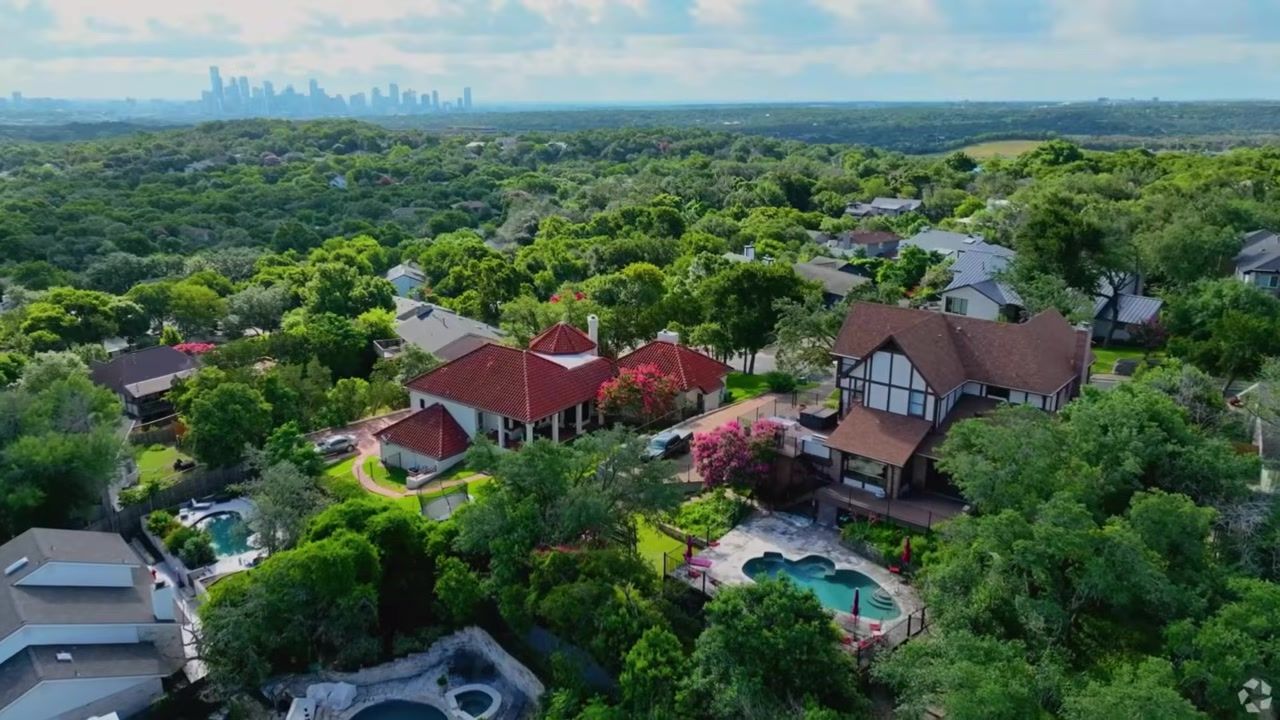
Central Texas sits on expansive clay soil, which swells when it gets wet and shrinks when it dries out. That movement puts pressure on your foundation, and over time it can cause cracks, settling, and structural issues that are expensive to repair. Not every home will have foundation problems, but the risk is higher here than in a lot of other markets, and it's something you need to understand before you buy.
A pre-purchase foundation inspection is not optional. If the inspector finds cracks or movement, you need to know whether it's cosmetic or structural, whether it's been repaired before, and whether the repair came with a transferable warranty. Foundation work can cost anywhere from a few thousand dollars for minor leveling to $20,000 or more for a major repair, and some lenders won't finance a home with active foundation issues until they're fixed. Even if the seller agrees to repair it, you want documentation and a warranty that will protect you if the problem comes back. Don't skip this step because you're in a hurry or because the house looks perfect on the surface.
Backing Up to Highways, Rail Lines, and High Schools
A lot that backs up to a highway, an active rail line, or a high school might look like a great deal because it offers more privacy than a lot that backs to another house. But that privacy comes with noise, and in some cases, a lot of it. Highways generate constant traffic hum that you'll hear with the windows open and sometimes even with them closed. Rail lines can be quiet during the day and then run freight trains in the middle of the night. High schools mean afternoon traffic, Friday night football games, marching band practice, and parking overflow during events.
Some buyers are fine with it, especially if they're getting a bigger lot or a lower price. But if you're someone who values quiet, or if you work from home and take calls during the day, or if you're a light sleeper, these locations are going to wear on you. Visit the property at different times of day and on different days of the week before you decide. What feels manageable on a Tuesday morning might be a dealbreaker on a Friday night.
Properties in or Near Flood Plains
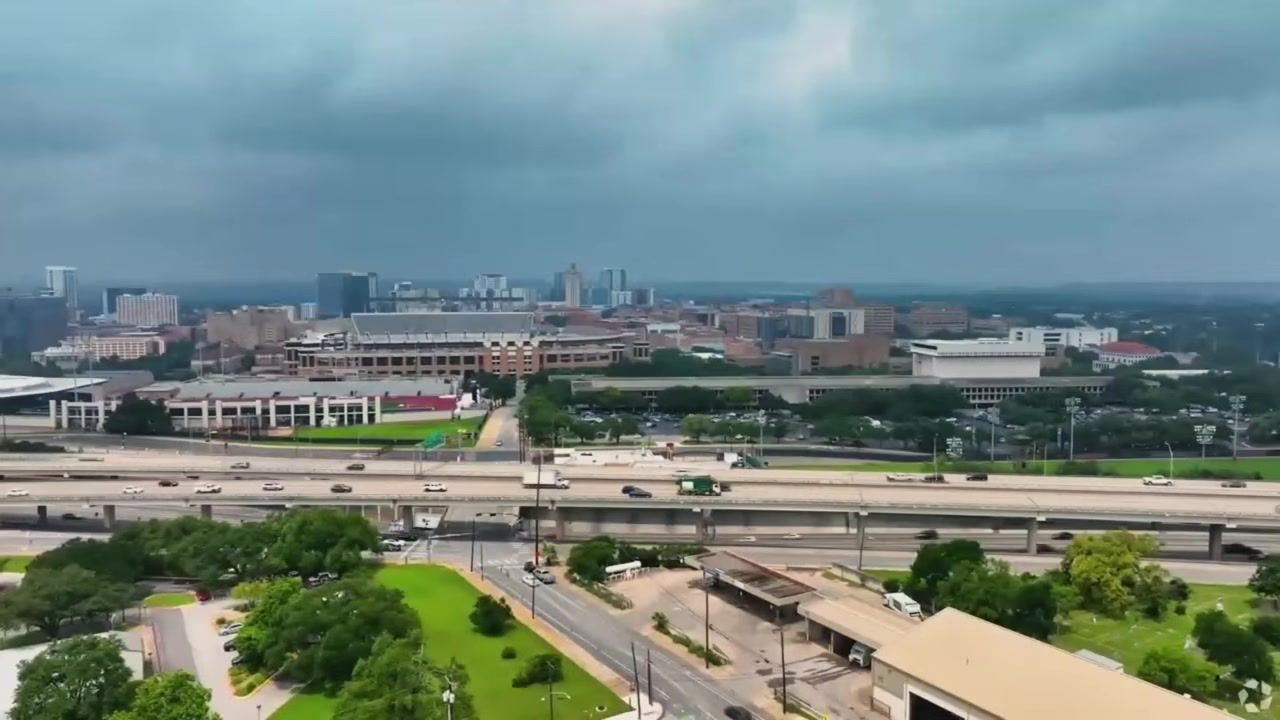
Flood risk in Central Texas is not something you can ignore. We get heavy rain events, flash flooding, and creek systems that overflow faster than people expect. If a property is in a flood plain or near one, you need to understand what that means for insurance, resale value, and your peace of mind every time the forecast calls for storms.
Flood insurance is required by most lenders if you're in a high-risk flood zone, and it's not cheap. Even if you're just near a flood plain, you should consider buying coverage anyway, because standard homeowners insurance doesn't cover flood damage. Some buyers assume that if a house hasn't flooded before, it won't flood in the future, but flood maps get redrawn and weather patterns change. Check FEMA flood maps, ask about the property's flood history, and talk to your insurance agent about what coverage will actually cost before you make an offer. A house that looks like a great deal might not be once you add in the extra insurance and the resale limitations.
Backing Up to Raw Land You Don't Own
A lot that backs up to raw, undeveloped land can feel like a private oasis when you tour it. No neighbors behind you, open space, maybe some trees and wildlife. But unless you own that land or it's designated as a permanent greenbelt or park, it's probably going to be developed eventually. That could mean losing your view, losing your privacy, and dealing with construction noise while the new homes go up.
I've seen buyers devastated when they find out the empty field behind their house is zoned for a new subdivision, or worse, for commercial development. Once that land sells, you have no control over what happens next. If the privacy and the view are a big part of why you're buying the house, you need to do your homework. Check with the city or county planning department to find out what the land is zoned for, whether there are any pending development applications, and whether it's protected open space. If it's not protected, assume it will be developed and decide whether you're still okay with the lot.
The Fast Flip Cosmetic Renovation
Flip houses are everywhere in the Austin market right now, and some of them are beautifully staged with trendy finishes that photograph well. But a cosmetic renovation is not the same as a quality renovation, and I see a lot of flips where the work was done fast and cheap to maximize profit. Fresh paint and new countertops can hide a lot of problems, and if the flipper didn't pull permits or address underlying issues like plumbing, electrical, or HVAC, you're going to inherit those problems after you close.
Look for signs of shortcuts: mismatched grout lines, paint over outlet covers, new flooring that doesn't sit flat, baseboards that don't line up. Ask whether permits were pulled for any major work, and if they weren't, that's a red flag. Get a thorough inspection and don't let the flipper or the listing agent talk you out of it. Some flips are done right, but many are just designed to look good long enough to sell. If you're buying a flip, go in with your eyes open and budget for repairs you might need to make in the first year.
The 15-Year-Old Roof Insurance Trap
Roof age is one of the most overlooked issues in the Austin market, and it can cost you thousands of dollars if you're not careful. A lot of insurance companies in Texas won't write a new policy on a home with a roof that's 15 years old or older, or they'll only offer limited coverage that excludes wind and hail damage. If the roof is near the end of its life and you're financing the purchase, your lender is going to require full coverage, which means you might have to replace the roof before you can close.
A new roof costs anywhere from $8,000 to $20,000 or more depending on the size of the house and the materials. If the seller won't replace it or credit you for it, you're stuck with that bill right after closing. Even if you can get insurance, your premiums are going to be higher with an aging roof, and you'll be on the hook for replacement in a year or two anyway. Always ask about the roof age during your inspection period, get documentation if the seller says it's been replaced, and talk to your insurance agent before you waive your option to terminate. This is one of those things that can blow up a deal at the last minute if you don't address it early.
Cheap Spec Homes Built Too Fast
Spec homes are built by builders who want to move inventory quickly, and in a hot market, that sometimes means cutting corners to keep costs down and timelines short. Not every spec home is bad, but I see quality issues more often in spec builds than in custom homes or homes built for a specific buyer. Cheap materials, fast framing, minimal supervision, and a focus on hitting a price point rather than a quality standard.
Look for signs of rushed work: uneven drywall seams, doors that don't close properly, gaps around windows, HVAC vents that aren't sealed, and finishes that already look worn even though the house is brand new. A good inspector will catch a lot of this, but some of it won't show up until you've lived in the house for a few months. If you're buying new construction, don't assume it's automatically better than a resale home. Walk the house carefully, bring someone with construction experience if you can, and don't be afraid to ask the builder to fix things before you close. Once you own it, those repairs are on you.
MUD vs PID Taxes: The $3,500-Per-Year Secret
MUD and PID fees are one of the biggest surprises for buyers relocating to the Austin suburbs, and they can add hundreds of dollars to your monthly payment on top of your mortgage, insurance, and HOA dues. A MUD (Municipal Utility District) or PID (Public Improvement District) is a special taxing district that funds infrastructure like roads, water, sewer, and drainage in new developments. Builders use them to finance construction, and then homeowners pay them back over time through higher property taxes.
These fees can run anywhere from a few hundred dollars a year to $3,500 or more depending on the community and the amount of debt the district is carrying. They're not always obvious in the listing, and a lot of buyers don't find out about them until they get their first tax bill. Two homes with the same purchase price can have wildly different annual costs depending on whether one has a MUD or PID and the other doesn't. Always ask your agent to pull the full tax breakdown before you make an offer, and factor those fees into your monthly budget. They can make a home that looks affordable on paper feel a lot more expensive once you're living there.
Which Red Flag Matters Most to You?
Not every one of these issues is a dealbreaker, and some of them are easier to live with than others depending on your priorities and your budget. A west-facing backyard might not bother you if you're not home during the day. An active builder community might be worth it if you're getting a better lot or a lower price. A MUD fee might be manageable if the home checks every other box.
But here's the thing: you need to know what you're getting into before you close. The single most expensive mistake relocation buyers make is not asking the right questions and then being surprised by costs or problems they didn't see coming. I want you to buy with your eyes open, whether you're looking in Georgetown, Kyle, San Marcos, New Braunfels, Manor, or Dripping Springs. Every one of these red flags is something I've seen cause regret, and every one of them is something you can plan for if you know to look for it.
If you're not sure what to ask or what to watch for, that's what I'm here for. I've been doing this long enough to know which trade-offs are worth it and which ones are going to cost you more than you think.
Let's Talk About Your Austin Home Search
Buying a house in the Austin suburbs is a big decision, and I don't want you to make it based on a listing photo and a floor plan you liked. Let's talk through what matters to you, what your budget really is once you factor in all the hidden costs, and which communities are going to give you the lifestyle you're looking for without the surprises.
I'm Steph Bartone, and I've been helping buyers navigate the Austin market for years. I know which builders cut corners, which neighborhoods have MUD fees that will shock you, and which lots are going to cost you more to own than you planned. If you're relocating here or just starting your search, let's get on a call and map out your next steps. Call/text me at 512-557-9576 to discuss your options or book a FREE consultation call. Let's make sure you buy the right house, not just the first one that looks good.
FAQ
What is expansive clay soil and why does it matter in Austin?
Expansive clay soil swells when it absorbs water and shrinks when it dries out. That movement puts pressure on your foundation and can cause cracks and settling over time. Central Texas sits on this type of soil, so foundation issues are more common here than in other markets. A pre-purchase foundation inspection is essential.
How much do MUD and PID fees typically add to my property taxes?
MUD and PID fees can add anywhere from a few hundred dollars to $3,500 or more per year to your property tax bill, depending on the community and the amount of debt the district is carrying. These fees are not always listed in the property details, so you need to ask your agent to pull the full tax breakdown before you make an offer.
Will my insurance cover a home with a 15-year-old roof?
Many insurance companies in Texas won't write a new policy on a home with a roof that's 15 years old or older, or they'll only offer limited coverage that excludes wind and hail damage. If your lender requires full coverage, you may need to replace the roof before closing. Always check the roof age during your inspection period and talk to your insurance agent early.
What should I look for when buying a flip house in Austin?
Look for signs of rushed or cheap work: mismatched grout, paint over outlet covers, uneven flooring, and baseboards that don't line up. Ask whether permits were pulled for major renovations like plumbing, electrical, or HVAC work. Get a thorough inspection and don't let anyone talk you out of it. Budget for repairs you might need to make in the first year.
How do I find out if the land behind my lot will be developed?
Check with the city or county planning department to find out what the land is zoned for and whether there are any pending development applications. Unless the land is designated as a permanent greenbelt, park, or protected open space, assume it will eventually be developed. If privacy and views are important to you, do this research before you make an offer.
What's the difference between buying in an active builder community versus a finished one?
An active builder community means construction is still ongoing, so you'll deal with noise, dust, truck traffic, and unfinished streets and amenities. The builder's timeline can stretch longer than expected, especially if the market slows. A finished community means the infrastructure and amenities are already in place, and you can move in without the disruption. If you're buying early for a better price or lot, just know what you're signing up for.
Steph Bartone
Austin native Steph Bartone helps clients buy, sell, and invest with local expertise, creative strategy, and personalized service rooted in trust, clear guidance, and a genuine love for her city.
Recent Posts