San Marcos TX Is Changing: What’s Coming in 2026 and 2027
San Marcos sits in that sweet spot between Austin and San Antonio, close enough to both that you can work in either city without feeling like you live in a suburb. But the next two years are going to test that balance. The city is about to change more than it has in the last decade, and I'm not just talking about a few new restaurants. We're looking at major retail expansion, a downtown hotel project that's already stirring debate, regional employers doubling down on their presence here, and neighborhoods that didn't exist five years ago now shaping the housing market. If you're thinking about moving here or you already live in San Marcos, you need to know what's coming before it lands on your commute or your tax bill.
This isn't one of those glossy development announcements where everything sounds perfect. There are real trade-offs happening, and locals are split on what this growth means for the small-town vibe San Marcos has held onto longer than most Central Texas cities. I'm going to walk through what's officially confirmed, what's still in planning, and which projects are already sparking conversation. By the end, you'll have the full picture so you can plan ahead and decide for yourself whether this growth works for you or against you.
Table of Contents
- Growth and Infrastructure: What's Driving the Boom
- Strategic Location Between Austin and San Antonio
- Housing Market: Prices, Inventory, and Negotiation Room
- Texas Property Taxes: MUDs, PIDs, and What They Mean Here
- Retail Expansion: New Buc-ee's and Outlet Mall
- Downtown Development: The $40 Million Boutique Hotel
- Lifestyle and the San Marcos River
- Major Employers: Amazon and Texas State University
- Top Neighborhoods: Trace, La Cima, and Kissing Tree
- The Drawbacks: Traffic, Density, and the 30-Year Projection
- Which San Marcos Are You Moving To?
- Conclusion
Growth and Infrastructure: What's Driving the Boom
San Marcos is in the middle of an infrastructure boom that's been building for years, and 2026 and 2027 are when a lot of those projects actually open. We're talking road expansions, utility upgrades, and commercial developments that were approved back when the city was still trying to figure out how fast it wanted to grow. The short answer is: fast. The population projections for the next 30 years show San Marcos more than doubling in size, which means everything from schools to grocery stores to traffic patterns is being recalculated in real time.
What's driving this isn't just spillover from Austin. San Marcos has its own economic engines, and they're expanding. Texas State University continues to grow its enrollment, Amazon has a massive fulfillment center here that's added thousands of jobs, and the city's location on I-35 makes it a natural hub for logistics and distribution. That combination is pulling in both young professionals and buyers who want more space than Austin offers but don't want to feel isolated. The infrastructure projects coming online are supposed to support that growth, but whether they can keep pace is the question everyone's asking.
Strategic Location Between Austin and San Antonio
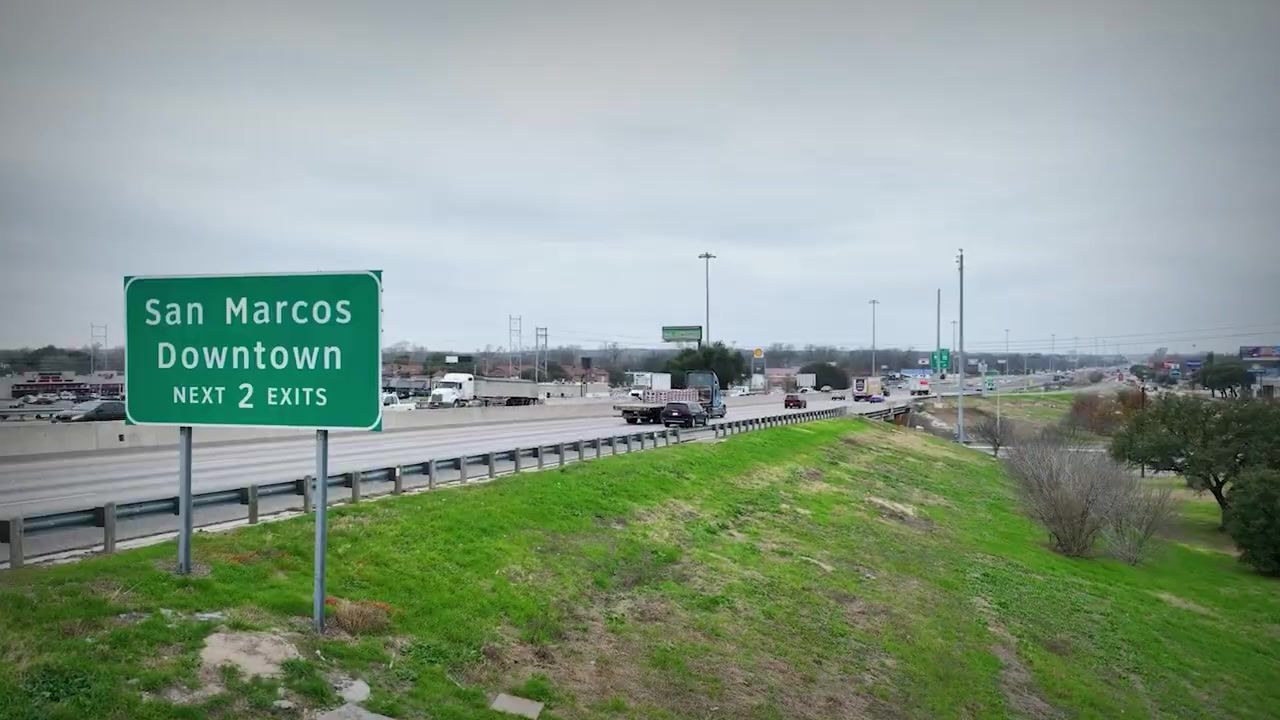
One of San Marcos's biggest selling points is also one of its biggest challenges. You're 30 minutes south of Austin, 45 minutes north of San Antonio, and right on I-35, which means you have access to two major job markets without paying Austin prices. That's the pitch, and it's true. But I-35 is also one of the most congested corridors in Texas, and the commute can stretch to an hour or more during peak times. The city is banking on infrastructure improvements to ease that, but if you're planning to commute daily, you need to factor in the reality of that drive, not the best-case scenario.
The location also means San Marcos gets attention from developers who see it as the next growth market. That's why you're seeing national retailers, hotel chains, and residential builders all moving in at once. For buyers, it means more options and more competition among builders, which can work in your favor during negotiations. For longtime residents, it means the city is starting to feel less like a college town with a river and more like a suburb in the making.
Housing Market: Prices, Inventory, and Negotiation Room
The housing market in San Marcos is still more affordable than Austin, but that gap is narrowing. You're looking at a range of prices depending on the neighborhood, and new construction is a big part of the inventory right now. Builders are active in communities like Trace , La Cima , and Kissing Tree , and they're offering incentives that weren't on the table a year ago. Rate buy-downs, closing cost credits, and upgrades are all negotiable if you know how to ask.
Inventory is improving compared to the peak frenzy of 2021 and 2022, but it's not a buyer's free-for-all. Homes that are priced right and in desirable neighborhoods still move quickly. The difference now is that you have time to think, time to compare, and leverage to negotiate. If you're relocating from a more expensive market, San Marcos can feel like a deal, but don't assume every listing is priced fairly. Some sellers are still anchored to peak pricing, and those homes sit.
Texas Property Taxes: MUDs, PIDs, and What They Mean Here
Texas has no state income tax, which is great until you see your property tax bill. San Marcos has MUDs (Municipal Utility Districts) and PIDs (Public Improvement Districts) in many of the newer neighborhoods, and those add to your annual tax burden. A MUD funds water, sewer, and drainage infrastructure in developing areas, and it comes with a higher tax rate that eventually pays off bonds issued to build that infrastructure. A PID funds things like landscaping, signage, and amenities, and it's an additional assessment on top of your property taxes.
If you're comparing homes, you need to ask about MUD and PID rates upfront. Two homes at the same purchase price can have very different monthly costs depending on those taxes. Some buyers are fine with it because they're getting newer infrastructure and amenities. Others would rather buy in an older neighborhood without the extra layer of taxes. There's no right answer, but you need to know what you're signing up for before you close.
Retail Expansion: New Buc-ee's and Outlet Mall
San Marcos is getting a new Buc-ee's , and if you're from Texas, you know that's a big deal. Buc-ee's is more than a gas station; it's a destination, and it brings traffic, jobs, and a certain kind of regional pride. The new location is part of a broader retail expansion that includes an outlet mall, which San Marcos already has one of the largest in the state. The addition of more retail means more sales tax revenue for the city, which helps fund services without raising property taxes as much. It also means more traffic on I-35 and the surrounding roads, which is already a pain point.
For residents, the retail expansion is a mixed bag. You get more shopping and dining options without driving to Austin or New Braunfels, but you also get the congestion and the shift in character that comes with big-box retail. If you're moving here for the small-town feel, this is one of the changes that's going to test that expectation.
Downtown Development: The $40 Million Boutique Hotel
Downtown San Marcos is getting a $40 million boutique hotel , and it's one of the most talked-about projects in the city. The hotel is designed to bring more visitors to downtown, support local businesses, and create a more walkable, vibrant core. That's the vision, and it's one that a lot of people are excited about. But there's also concern about parking, density, and whether the project fits the scale and character of the existing downtown.
This is where the growth conversation gets personal. Some residents see the hotel as a sign that San Marcos is finally investing in its downtown and creating something beyond the college bar scene. Others see it as the beginning of the end for the quirky, low-key downtown they've loved for years. Both perspectives are valid, and the hotel is going to be a test case for how the city manages growth in its historic core.
Lifestyle and the San Marcos River
The San Marcos River is the heart of the city's lifestyle appeal. It's spring-fed, clear, and a constant 72 degrees year-round, which makes it a draw for tubing, kayaking, and just being outside. The river is one of the reasons people move here, and it's one of the reasons they stay. It's also a natural limit on how much the city can grow in certain directions, which has pushed development outward rather than inward.
If you're moving to San Marcos for the river lifestyle, you need to know that access and parking can be competitive, especially in the summer. The city is working on balancing tourism, student use, and resident access, but it's an ongoing challenge. The river is a huge asset, but it's also a shared resource that requires some planning if you want to enjoy it without the crowds.
Major Employers: Amazon and Texas State University
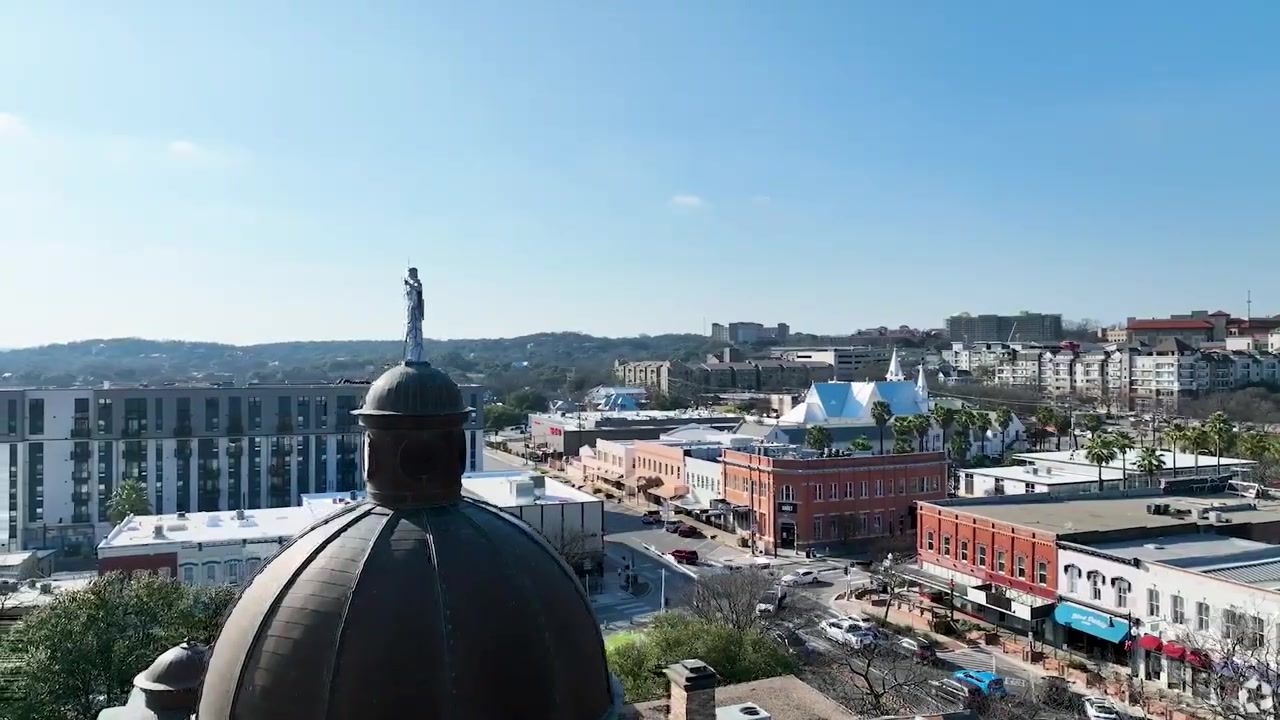
San Marcos has two major economic anchors: Amazon and Texas State University . Amazon's fulfillment center employs thousands of people and has brought a wave of logistics and distribution jobs to the area. It's also brought workers who need housing, which has contributed to the residential building boom. Texas State continues to grow its enrollment and its footprint, and the university is a major employer in its own right. Between the two, San Marcos has a more diversified economy than a lot of small Texas cities, which makes it more resilient but also more subject to the pressures of growth.
For buyers, this means job stability and a steady influx of renters if you're thinking about investment properties. It also means the city is going to keep growing, and the infrastructure and services need to keep up.
Top Neighborhoods: Trace, La Cima, and Kissing Tree
Trace is one of the newer master-planned communities in San Marcos, and it's designed for buyers who want amenities, trails, and a sense of community. You're looking at new construction with modern floor plans, and the neighborhood has a resort-style pool, fitness center, and events that bring residents together. It's a good fit if you want turnkey living and don't mind the MUD and PID taxes that come with it.
La Cima is another master-planned option with a focus on outdoor amenities and a more Hill Country aesthetic. The lots tend to be a bit larger, and the community has hiking and biking trails that connect to the broader San Marcos trail system. It's a step up in price from some of the other new neighborhoods, but you're paying for space and a more established feel.
Kissing Tree is an active-adult community for buyers 55 and older. It's one of the largest of its kind in Texas, with a full calendar of social programming, fitness classes, and clubs. The homes are single-story, low-maintenance, and designed for the lifestyle that comes with this stage of life. If you're looking for an active-adult community with a strong social scene, Kissing Tree is worth a look. Just know that it's age-restricted, so you need to meet the residency requirements.
The Drawbacks: Traffic, Density, and the 30-Year Projection
Here's the part that doesn't make it into the glossy brochures. San Marcos is projected to more than double in population over the next 30 years, and that kind of growth comes with real trade-offs. Traffic on I-35 is already a problem, and it's going to get worse before it gets better, even with the planned expansions. The small-town feel that people love is going to shift as more retail, more housing, and more people move in. That's not necessarily bad, but it's different, and you need to go in with your eyes open.
Density is increasing in pockets, especially near the university and downtown. If you're buying in one of those areas, you're going to see more apartments, more mixed-use developments, and more activity. For some buyers, that's exactly what they want. For others, it's a deal-breaker. The 30-year projection is a reminder that San Marcos is not going to stay the way it is today, and your decision to move here should factor in where the city is headed, not just where it is now.
Which San Marcos Are You Moving To?
San Marcos is at a crossroads. You can still find the river town with the laid-back vibe and the college energy, but you can also see the outline of the suburb it's becoming. The next two years are going to bring a lot of that future into focus, and whether you see it as good or bad depends on what you're looking for. If you want affordability, access to two major job markets, and a city that's investing in itself, San Marcos has a strong case. If you want the small-town feel to stay exactly as it is, you might be disappointed.
The key is to visit, drive the commute, walk the neighborhoods, and talk to people who live here now. The growth is real, the projects are coming, and the city is changing. The question is whether that change aligns with what you need for the next five, ten, or twenty years.
Conclusion
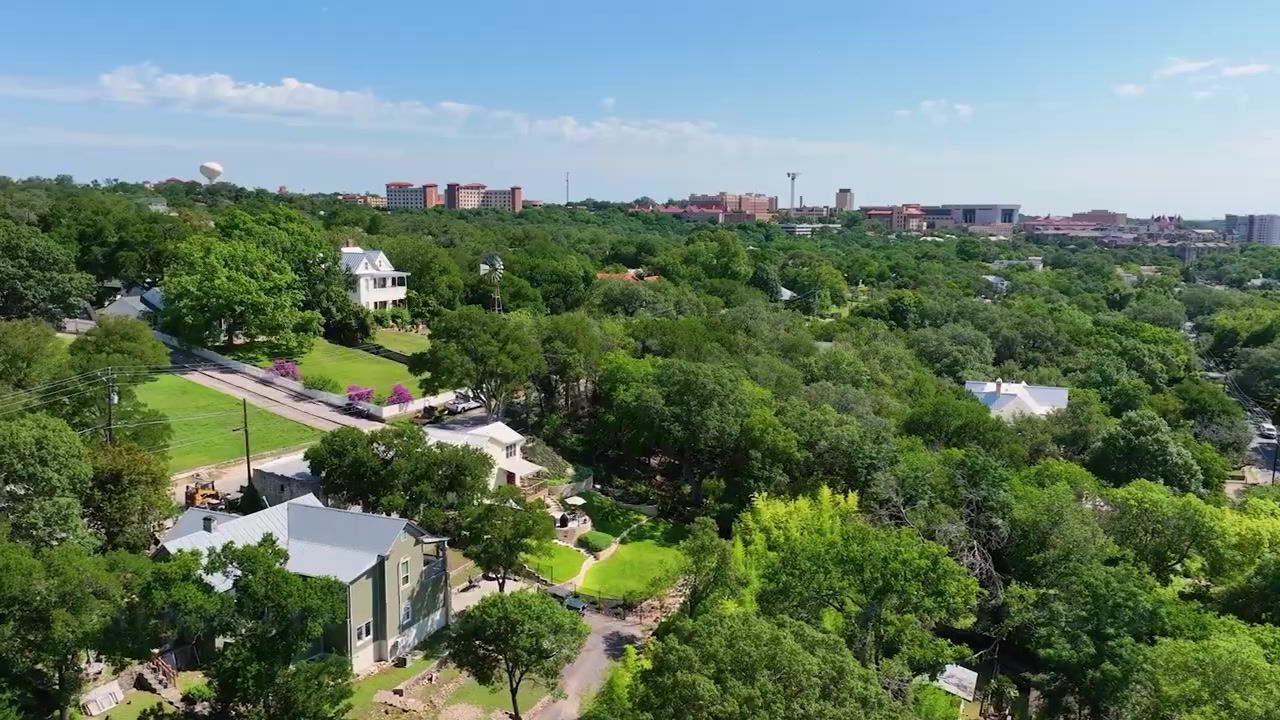
San Marcos is in the middle of a transformation, and 2026 and 2027 are when a lot of that change becomes visible. From the new Buc-ee's and outlet mall expansion to the downtown hotel and the neighborhoods reshaping the housing market, there's a lot happening. The growth brings opportunity, but it also brings challenges, and the city is working through what it wants to be as it scales up. If you're thinking about moving here, now is the time to get informed, ask the hard questions, and decide whether this version of San Marcos is the one you want to be part of.
I help buyers navigate these decisions every day, and I'd be happy to walk you through what's coming, what's confirmed, and what it means for your specific situation. Let's set up a time to talk through your timeline, your priorities, and how San Marcos fits into your long-term plan. Call or text me directly at 512-557-9576, or book a consultation on my website. Let's make sure you're moving to the right place at the right time.
FAQ: San Marcos Growth and Development
What's the biggest change coming to San Marcos in 2026 and 2027?
The biggest change is the combination of retail expansion, downtown development, and continued residential growth. The new Buc-ee's, outlet mall additions, and the $40 million boutique hotel downtown are all major projects that will shift the character and traffic patterns of the city. Add in the housing boom in neighborhoods like Trace, La Cima, and Kissing Tree, and you're looking at a city that's going to feel noticeably different in two years.
Is San Marcos still affordable compared to Austin?
Yes, but the gap is narrowing. San Marcos offers more affordable housing than Austin, especially in new construction communities, but you need to factor in property taxes, MUDs, and PIDs. The cost of living is lower, but the commute to Austin can add time and expense if that's part of your plan. It's still a value play compared to Austin, but it's not the bargain it was five years ago.
What are MUDs and PIDs, and how do they affect my taxes?
MUDs (Municipal Utility Districts) and PIDs (Public Improvement Districts) are special taxing districts that fund infrastructure and amenities in newer neighborhoods. A MUD pays for water, sewer, and drainage, while a PID funds things like landscaping and signage. Both add to your annual property tax bill, and the rates vary by neighborhood. You need to ask about these upfront when comparing homes, because they can add hundreds of dollars a month to your housing costs.
How bad is the traffic on I-35?
I-35 is one of the most congested highways in Texas, and it's a real factor if you're commuting to Austin or San Antonio. The drive can stretch to an hour or more during peak times, and while there are expansion projects planned, they're not going to solve the problem overnight. If you're planning to commute daily, build in extra time and consider flexible work arrangements if possible.
What's the appeal of Kissing Tree for active adults?
Kissing Tree is one of the largest active-adult communities in Texas, and it's designed for buyers 55 and older who want a full social calendar, low-maintenance homes, and resort-style amenities. The community has fitness classes, clubs, events, and a strong sense of connection among residents. It's age-restricted, so you need to meet the residency requirements, but if you're looking for that lifestyle, it's one of the best options in Central Texas.
Will San Marcos lose its small-town feel with all this growth?
That's the question everyone's asking, and the honest answer is that it's already shifting. The 30-year population projection shows San Marcos more than doubling in size, and that kind of growth changes the character of a city. You'll still have the river, the university, and pockets of the old San Marcos, but the overall feel is moving toward a suburb with more retail, more density, and more traffic. Whether that's a loss or an evolution depends on what you value and what you're willing to trade off.
Steph Bartone
Austin native Steph Bartone helps clients buy, sell, and invest with local expertise, creative strategy, and personalized service rooted in trust, clear guidance, and a genuine love for her city.
Recent Posts