Austin TX vs The Suburbs: Which Lifestyle Fits Your Day-to-Day?
You're standing in a house you love, and the price is right. The problem is you're not sure if you're standing in the right city. If you're moving to Austin, Texas, you're probably deciding between living in the city or 20 to 30, maybe even 40 minutes outside of it. Yes, you'll get more house in the suburbs. That's the easy part. The bigger decision is what you're actually gaining and what you're giving up for not living in the city. And which one fits your lifestyle, not your perfect Saturday, but your day-to-day.
I've helped people make this decision in both directions. The people who regret it usually didn't pick the wrong house. They picked the wrong lifestyle, and they end up having to move again. I don't want you to have to do that. So today I'm comparing Austin proper versus the suburbs to the north, Round Rock, Georgetown, Leander, and to the south, Kyle, Buda, San Marcos, and New Braunfels. We'll talk about what your money buys, parks and outdoor life, fitness, restaurants, schools, your commute, I-35 construction, and the differences between north and south Austin.
I was born and raised in South Austin. I've lived north for about five years, built my first house in Georgetown, and lived in Round Rock and North Austin. I'm buying a house right now in New Braunfels. I know both sides of the river, and I know what changes when you cross it. Let's break it down so you can choose with confidence and avoid having to move again.
Table of Contents
- What Your Money Buys: Austin vs the Suburbs
- Parks, Trails, and Outdoor Lifestyle
- Fitness and Community Life
- Restaurants: Downtown vs the Suburbs
- Schools: Austin ISD vs Suburb Districts
- Your Commute Matters Most
- I-35 Construction and Alternative Highways
- Austin
- Round Rock
- Georgetown
- Leander
- Kyle
- Buda
- San Marcos
- New Braunfels
- North vs South: Which Side of the River Fits You?
- Conclusion
What Your Money Buys: Austin vs the Suburbs
Obviously you're going to get more house for your money when you live out in the suburbs. But let's break that down just a little bit further.
$500,000 in Austin, which is pretty close to the median home price, gets you an older home. We're talking '70s, '80s, maybe even '90s. You'll get a 3-bedroom, 2-bath. You may get a little bit of a lot, but for the most part you're definitely going to be in that 0.1, maybe 0.2 acre lot. Austin doesn't really have brand new homes. There are very, very few brand new homes unless you find an investment remodel house. You're probably looking at maybe 1,500 to 1,700 square feet, a smaller yard, and that's about what you get for around $500,000 in Austin.
Now if you want to spend a little bit more money, you're looking at maybe $800,000, you can definitely get a 2,500 to 3,000 square foot house. A bit of a bigger lot, and it could probably be in some pretty good school districts. But if you're looking at Round Rock or Georgetown or even Leander, $500,000 could get you that 4th bedroom you're needing, the media room, the loft, just extra space you need, a bigger kitchen, maybe that 3rd car garage that you're wanting.
If you move south to Kyle, Buda, San Marcos, even New Braunfels, you could possibly get that 4th or 5th bedroom, get upwards of 3,000 square feet for $500,000, maybe a bit of a bigger lot. I'm actually buying a house right now in New Braunfels. I'm getting just under a half acre and I'm spending under $500,000. It's a 2,300 square foot house, 3 bedroom plus an office. So there's definitely more opportunity out in the suburbs.
Parks, Trails, and Outdoor Lifestyle
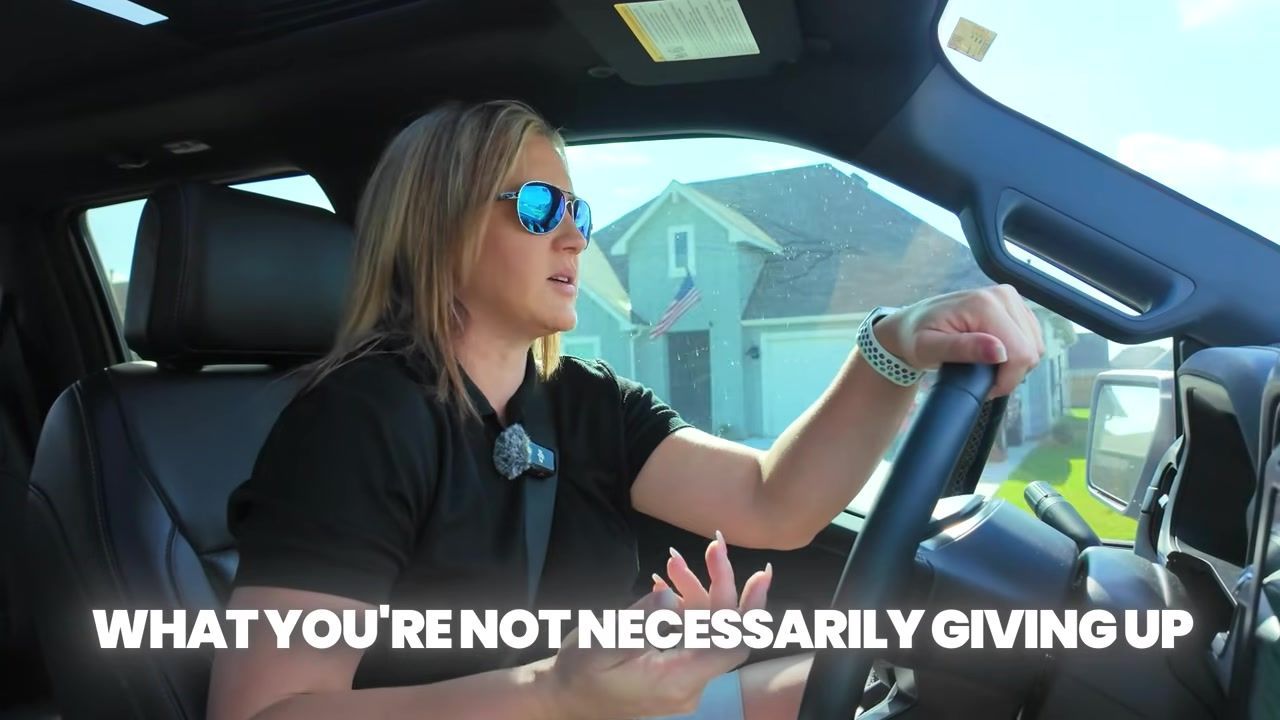
A lot of people think because they're moving outside of Austin, because Austin has Lady Bird Lake, Zilker Park, Barton Springs, tons of outdoor parks throughout the city, that they're not going to get the parks and the trails and be able to be close to the water. And that is not necessarily true at all.
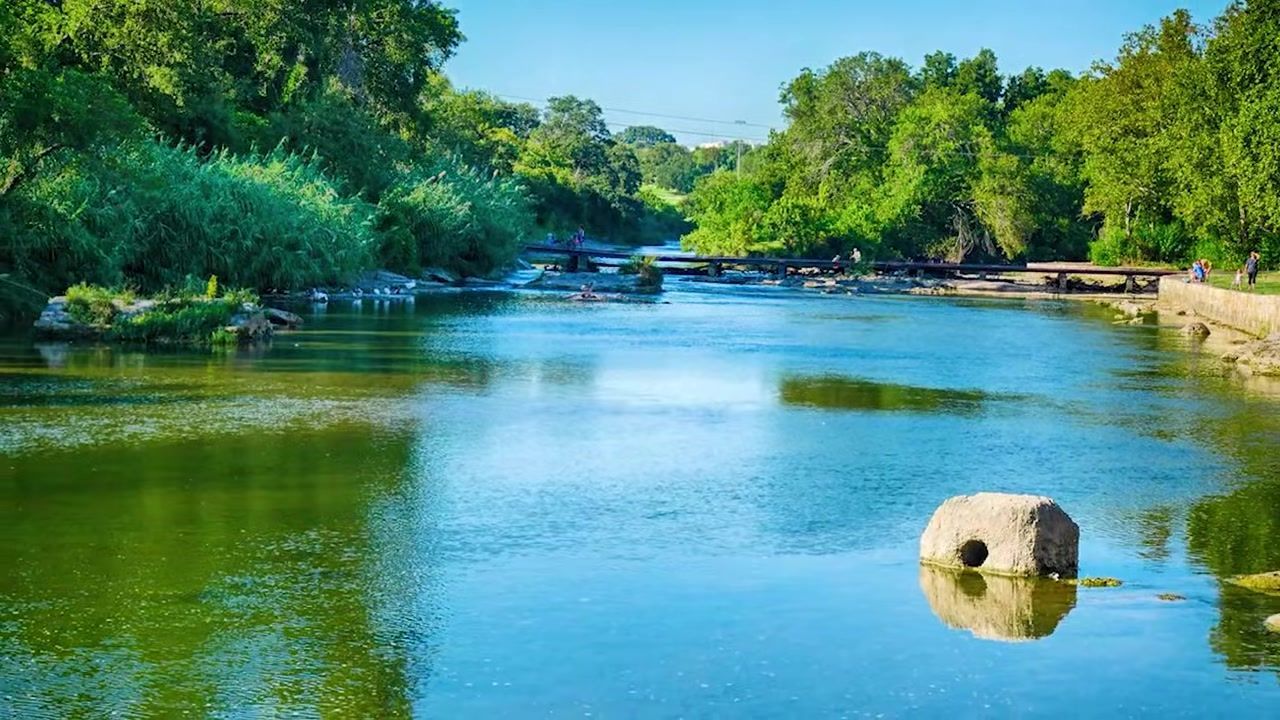
Actually, there's a ton of suburbs with outdoor access. You have cities like Georgetown that has different parks and water sources and Georgetown Lake, and there's plenty of places to go fishing and hiking and do all the things you want. Round Rock has a ton of established parks. Pflugerville has a lake and a park. Leander has parks.
Then you go down south. Buda is actually the outdoor capital of the world. Even though it's a smaller city, it's under 20,000 people, it actually has a lot of parks for your families. And they're developing a brand new park that is going to change that city altogether. Kyle also has parks. You've got Memorial Park. And then if you go down to San Marcos and New Braunfels, you even have multiple rivers. People float the river, they hang out and barbecue. If you've got kiddos, you just sit by the water and by the park and you can just hang out, put your feet in the water, jump in, get refreshed.
There are so many different suburbs that are built just like that. So you're not necessarily losing outdoor access because you're leaving the city of Austin. If anything, you might even be gaining a little bit of that.
Fitness and Community Life
Austin is big on fitness. There's a lot of fitness clubs and Facebook pages and Eventbrite pages. They have running clubs and even walking clubs and all the different gyms. They have HIIT gyms and normal gyms like Crunch and Gold's, and then you've got your Orangetheory and your free weight gyms. Austin has really become a super healthy, fit style city.
People think because they are moving outside of the city that they might not get that lifestyle or meet those kind of people. And I have to say that's not true. I actually know some friends that live in cities like Buda, and they have 5K runs, they have walking clubs. Whether you're a mom or you're single or you have kids, they have all these different events, Facebook groups that you can be a part of. And they are in most of the suburbs. Almost any suburb you go to, you can find a Facebook page or a community page for any type of suburb.
Yes, Austin is that healthy lifestyle fit city. But you can also find that in multiple other areas around Austin.
Restaurants: Downtown vs the Suburbs
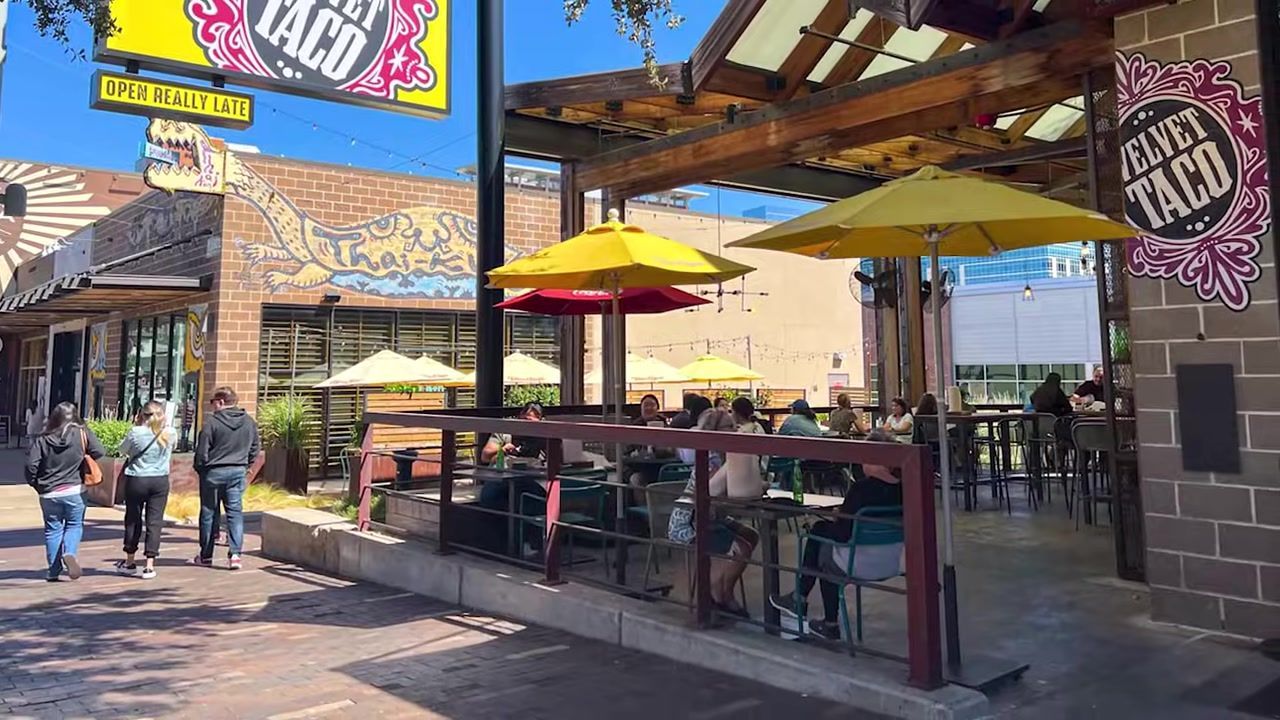
If I move outside of Austin, I won't really get really good food. And I'd have to say I don't agree with that. Downtown Austin actually has some really great restaurants and it's continuing to create more and more great restaurants, but that's in the downtown area. Now I was born and raised in the south side of Austin, and I think it's actually a terrible area for restaurants. We don't have enough restaurants.
Then you go up north. You've got The Domain. There's a good amount of restaurants in there. And you've also got different areas of Austin. Up north is known to have a little bit more authentic style, different cultured foods than you're going to find in the south end of town. And then if you go downtown, you're definitely paying the price to eat that expensive, delicious food.
Some of the suburbs have some of my favorite restaurants. Buda has a great seafood place. It has a great Southern Comfort place that's actually owned by Salt Lick, which was our famous barbecue spot. You have Driftwood that has Salt Lick in it. You have Round Rock that has Salt Lick in it. You have multiple restaurants throughout these suburbs, you don't even have to leave the area and you can find some really good restaurants.
Round Rock has great restaurants. Georgetown downtown, the square has some amazing restaurants. San Marcos downtown has some really good restaurants. And the cool thing is that there are a lot of local style restaurants in these towns.
Now there is one caveat to that. Kyle, Texas, in my opinion, is kind of a commercial big box city. It is bringing in a lot of commercialized restaurants. You've got your steakhouses that are nationwide. You have all these chicken and burger places that are all nationwide, and they're not, there's not very much local, but there's a ton of restaurants.
So I would say the food scene does change. You're not getting your Michelin star restaurants, you're not getting maybe your super fine dining restaurants like you're going to find downtown Austin, but there's some really great restaurants all throughout Austin and the suburbs.
Schools: Austin ISD vs Suburb Districts
You have Austin ISD that services most of Austin. Now there are parts of Austin that feed into some of the suburb schools, but for the most part Austin is Austin ISD. I would say Austin does have some local schools, but there are some even better schools out in the suburbs.
There are a couple really great high schools, some really great elementary schools and middle schools in Austin. And those areas of Austin are definitely going to be higher dollar. For instance, in South Austin, the big school is Bowie. You're not really going to find a house under $800,000 and go to a really good school. So you pay that price.
Now if you go out to the suburbs, you've got local schools like Georgetown, Leander, New Braunfels, Comal ISD. There's other ISDs in some parts of Buda that have A-rated schools, and you're also going to pay the price, but you're not going to pay the price that you would pay in Austin. So you can get some A-rated schools, let's say in Leander or in Buda, and you'll pay a little bit more than you would if you were maybe a few miles down the road and not such a great school. But you can still spend $500,000, $600,000 and get a huge house for that price.
You pay the price to be in local schools. That's just how it works. And I think that's how it works anywhere you go. In Texas, the way our taxes are broken down, part of the property taxes, the highest bracket or section of property taxes, is school taxes. So you're going to always pay a higher price to go to a better school.
I would say that you could live in Austin and get some local schools, or you could also live in the suburbs like some of the ones that I mentioned. Some great resources are niche.com or greatschools.org. You can really research the different areas and what you're going to get. But I have to say that some of the suburbs have some of local schools in Central Texas. Westlake, just outside of Austin, is the number one in Texas, if not in the nation, and they continue to lead for some of local schools in the area.
Your Commute Matters Most
When people move here, and I help a lot of buyers relocating to a different area, it usually is a job, or they want to be closer to their kids or grandkids, or they're looking to retire. And the biggest thing is the commute.
I've got a guy right now, he's moving here from Houston, and his thing is he's looking to retire. He wants to be close to his friends and his son and his grandkid. Everybody wants to find the right city that's kind of in between all of that. And I get a lot of people that are moving, and there are certain things that are important to them.
You really need to know what is important to you. Is it schools? Is it the lifestyle of the city? Do you need to be close to a job? Do you need to be close to a hospital? Do you need to be close to the outdoor lifestyle that you're looking for? Do you have friends or family that you want to be nearby?
These are questions that I think are more important than anything else when you make the move. Yes, obviously budget is super important because you need to be able to afford where you live. But even what's more important is you can't just pick up your house one day when you don't like living there anymore and just move it. That'd be pretty cool, but you can't do that. And you can't just usually move within 2 to 5 years and not really build real equity quite yet.
The best thing you can do is connect with a real estate agent like myself. Let's talk about what's most important. What's making you move here? Why are you moving here? Why do you want to move to a certain area? And let's really narrow that down so we can really understand your lifestyle and find the right suburb. If you're looking for local schools, I can tell you where to go. If you want to be outdoors and live music and all that is important to you, I can tell you where to go. If your grandkids live in a certain area or your kids live in a certain area of Austin and you don't want to drive more than 30 minutes, I can tell you where to go.
This is so important. I cannot emphasize this much more. I have people that have bought houses and we had this discussion, but they decided to go ahead and just live where they thought was going to be best. And within a year or 2, multiple times they have moved and they've moved again and they've moved again until they finally find that home or area they want to live in. And that's what I try to help people figure out before they make that purchase, really diving in to what is most important to you.
I-35 Construction and Alternative Highways
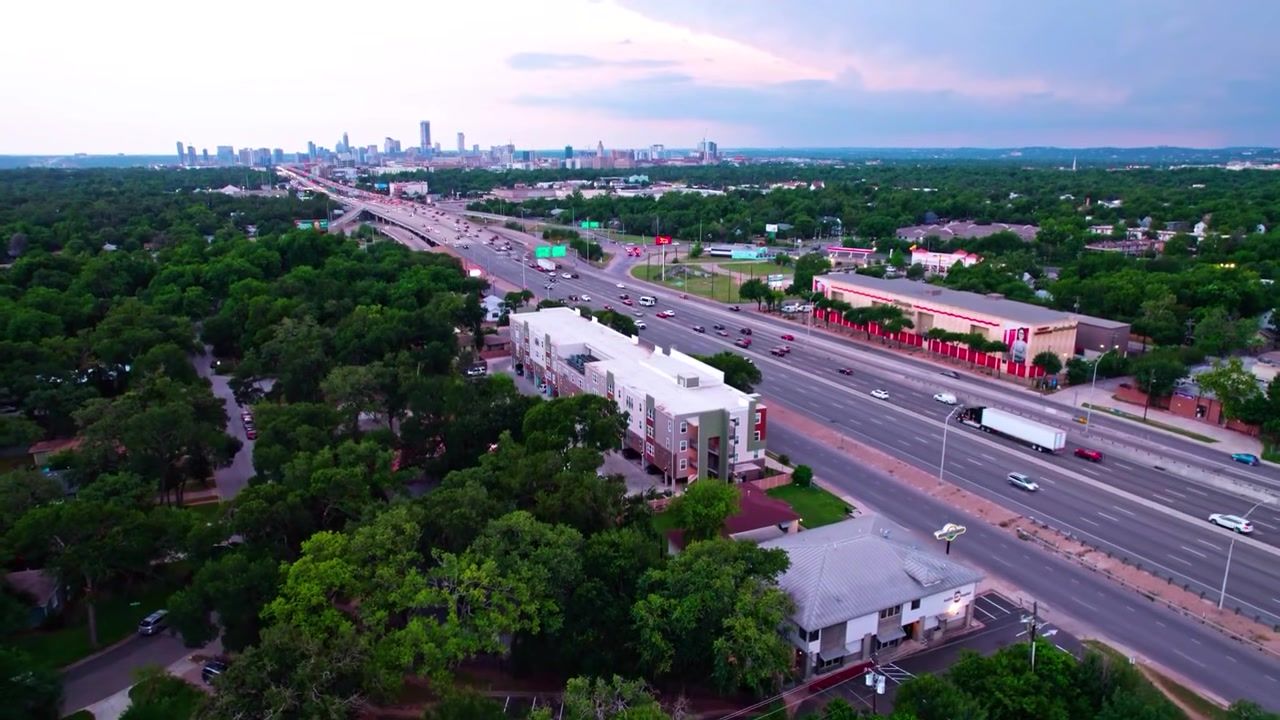
I-35 splits Austin pretty much right smack in the middle. It runs all the way through all the different suburbs, and it runs through Austin right smack in the middle. It runs all the way from the suburbs we spoke about, from Round Rock, Leander, all the way down past New Braunfels into San Antonio. It runs through Texas. You can get to Dallas, you can get down to almost down to the coast. So it's a big highway that runs right through Austin, and there's tons of construction.
Right now they are constructing I-35 on the south end of Austin, south of downtown, and they're not expected to be done until I think it's 2030 or 2033, depending on, they're doing it in sections. And then you've got different areas of the suburbs that are doing construction. There's a part in Kyle that they're trying to widen the highway, or they're trying to make an overpass from east to west because they built this subdivision and now they need to connect the east to west to make it easier for you to get from one side to the other.
This is super important. I-35, I don't know if it'll ever fully improve to be the highway that we need for the growth that we've gotten here in Austin. And I think it's just one of those things that you have to understand. If you're going to commute, I-35 is not the only highway to commute. We have Mopac, we have 183, we have 71, we have 290, and they take you to different sections and to different suburbs.
That is also important when we talk about your commute. Where do you need to go? What highway do you need to live by? And really understand the construction. 183 just went through a huge construction towards the Leander area in North Austin, and they widened I-35. I think it's now 5 or 6 lanes, which is insane. And that was under construction for freaking years. Same thing with out in Oak Hill, out in 290, going out towards Dripping Springs and out towards Bee Cave. That was under construction for years, and it made it so hard to commute in and out of that area.
So it's really good to understand where you need to commute to, what highway you need to be by, because we are still and continue to be and deal with growth here in Austin.
Austin
Austin is the central city, and it's where a lot of people think they want to live when they're relocating to the Austin area. And honestly, Austin has a lot to offer. You've got Lady Bird Lake, Zilker Park, Barton Springs. You've got downtown restaurants and live music and that laid-back vibe that Austin is known for. You've got The Domain up north with shopping and dining. You've got outdoor bars and restaurants with playgrounds where you can bring your pups and your kids.
But here's the thing. At $500,000, which is pretty close to the median home price in Austin, you're getting an older home. We're talking '70s, '80s, maybe even '90s construction. You'll get a 3-bedroom, 2-bath, maybe 1,500 to 1,700 square feet. Your lot is going to be small, probably 0.1 to 0.2 acres. Austin doesn't really have brand new homes unless you find an investment remodel.
If you want to spend $800,000, you can get a 2,500 to 3,000 square foot house with a bit of a bigger lot, and it could probably be in some pretty good school districts. Austin ISD services most of Austin, and there are some local schools. But the really local schools, like in the Bowie area in South Austin, you're not really going to find a house under $800,000. Westlake, just outside of Austin, is the number one school in Texas, if not in the nation.
Austin is also where you'll find the most fitness clubs, the most live music, the most outdoor lifestyle. It's a super healthy, fit style city. But you're paying for that central location. And honestly, I was born and raised in South Austin, and I think it's actually a terrible area for restaurants. We don't have enough restaurants. Downtown has great restaurants, but you're definitely paying the price to eat that expensive, delicious food.
Austin ISD serves most of the city, but there are parts of Austin that feed into some of the suburb schools. And I-35 runs right through the middle of Austin with ongoing construction south of downtown until 2030 or 2033. We have alternative highways like Mopac, 183, 71, and 290 that serve different parts of the city.
Round Rock
Round Rock is one of the well-established suburbs to the north of Austin. It's north of the river, and people who live north tend to stay north. Round Rock has great restaurants. It has established parks. You've got the Round Rock outlets for shopping. And you've got a Salt Lick location for barbecue.
At $500,000 in Round Rock, you could get that 4th bedroom you're needing, the media room, the loft, just extra space you need, a bigger kitchen, maybe that 3rd car garage that you're wanting. You're getting more house for your money than you would in Austin.
Round Rock is close to northern employers like Apple and Dell and a lot of the tech headquarters. You've got medical facilities and hospitals nearby. Lots of retail. And you've got I-35 and 183 access. 183 just went through a huge construction and they widened it. I think it's now 5 or 6 lanes, which is insane. And that was under construction for freaking years.
Round Rock is a well-established suburb with a lot of infrastructure already in place. If you're working up north or you need to be close to medical facilities or you just want that established suburb feel, Round Rock is a solid choice.
Georgetown
Georgetown is my favorite northern suburb. If I had to go back up north, that's where I would end up. I built my first house in Georgetown and lived there for part of the five years I spent north of the river.
Georgetown has amazing downtown restaurants. The square downtown has some of the best food in the area. You've got different parks and water sources. You've got Georgetown Lake, and there's plenty of places to go fishing and hiking and do all the things you want. It's a well-established suburb with local schools. Georgetown feeds into Leander ISD, which has local schools.
At $500,000 in Georgetown, you're getting more space than you would in Austin. You could get that 4th bedroom, the media room, the loft, the extra space you need. You're getting a bigger kitchen, maybe that 3rd car garage.
Georgetown is a well-established suburb. It's north of the river, so people stay north. It's close to northern employers and medical facilities. And it's got that outdoor recreation lifestyle with the lake and the parks and the hiking. If you want a well-established suburb with great restaurants and outdoor access, Georgetown is a really solid choice.
Leander
Leander is another northern suburb, and it's known for local schools. Leander ISD has A-rated schools, and you can get those A-rated schools for $500,000 to $600,000 with a huge house. At $500,000 in Leander, you could get a 4-bedroom with a media room, a loft, extra space. You're getting more house for your money.
Leander has parks. It's a well-established suburb. And 183 in the Leander area just went through a huge construction. They widened it to 5 or 6 lanes after years of construction. So access has improved a lot.
Leander is north of the river, so people stay north. It's close to northern employers and medical facilities. And if schools are a priority for you and you want to get an A-rated school without spending $800,000, Leander is a great option. You can get a huge house with local schools for $500,000 to $600,000.
Kyle
Kyle is south of Austin, and it's one of the newer development areas. At $500,000 in Kyle, you could get a 4 to 5 bedroom house, upwards of 3,000 square feet, and a bigger lot. You're getting more space for your money.
Kyle has parks. You've got Memorial Park. And there are tons of restaurants. But here's the thing. Kyle, in my opinion, is kind of a commercial big box city. It is bringing in a lot of commercialized restaurants. You've got your steakhouses that are nationwide. You have all these chicken and burger places that are all nationwide. There's not very much local dining, but there's a ton of restaurants.
Kyle is between Austin and San Antonio, so if you're commuting to San Antonio, it's somewhat of an easy commute. Some parts of Kyle feed into A-rated school districts. And you can get A-rated schools for $500,000 to $600,000 with a huge house.
But Kyle also has ongoing I-35 construction. There's a part in Kyle where they're trying to widen the highway or make an overpass from east to west because they built this subdivision and now they need to connect the east to west to make it easier to get from one side to the other. So construction is ongoing.
Kyle is a newer development area with a lot of growth. If you want a big house for your money and you don't mind the commercial big box feel, Kyle is a solid option. But if you're looking for local dining and that laid-back vibe, you might want to look at some of the other southern suburbs.
Buda
Buda is the outdoor capital of the world. Even though it's a smaller city, it's under 20,000 people, it actually has a lot of parks for your families. And they're developing a brand new park that is going to change that city altogether.
At $500,000 in Buda, you could get a 4 to 5 bedroom house, upwards of 3,000 square feet, and a bigger lot. You're getting more space for your money. Some parts of Buda feed into A-rated school districts, and you can get A-rated schools for $500,000 to $600,000 with a huge house.
Buda has a great seafood restaurant. It has a great Southern Comfort restaurant that's actually owned by Salt Lick. And Buda is big on fitness and community. I actually know some friends that live in Buda, and they have 5K runs, they have walking clubs. Whether you're a mom or you're single or you have kids, they have all these different events, Facebook groups that you can be a part of.
Buda is south of the river, so it's got that laid-back vibe. It's between Austin and San Antonio, so if you're commuting to San Antonio, it's somewhat of an easy commute. And it's a newer development area with a lot of growth and new construction.
If you want that outdoor lifestyle with parks and fitness community and you want a big house for your money with local schools, Buda is a really solid choice. And that new park development is going to change the city altogether.
San Marcos
San Marcos is south of Austin, between Austin and San Antonio. And San Marcos is all about the river lifestyle. You've got multiple rivers. People float the river, they hang out and barbecue. If you've got kiddos, you just sit by the water and by the park and you can just hang out, put your feet in the water, jump in, get refreshed.
At $500,000 in San Marcos, you could get a 4 to 5 bedroom house, upwards of 3,000 square feet. You're getting more space for your money. San Marcos downtown has some really good restaurants. And it's got that outdoor recreation lifestyle with the rivers and the parks by the water.
San Marcos is between Austin and San Antonio, so if you're commuting to San Antonio, it's an easy commute. It's south of the river, so it's got that laid-back vibe. And it's a newer development area with a lot of growth and new construction.
If you want that river lifestyle and outdoor recreation and you want a big house for your money, San Marcos is a great option. It's a little bit further out from Austin, but you're getting a lot more space and that river access.
New Braunfels
New Braunfels is south of Austin, between Austin and San Antonio. And I'm actually buying a house right now in New Braunfels. I'm getting just under a half acre and I'm spending under $500,000. It's a 2,300 square foot house, 3 bedroom plus an office.
New Braunfels has multiple rivers. People float the river, they hang out and barbecue. You've got parks by the water. And New Braunfels feeds into Comal ISD, which has local schools. You can get local schools in Comal ISD and still get a huge house for your money.
At under $500,000 in New Braunfels, you can get 2,300 square feet, 3 bedrooms plus an office, just under a half acre. You're getting a lot more space for your money than you would in Austin. And you're getting that river lifestyle and outdoor recreation.
New Braunfels is between Austin and San Antonio, so if you're commuting to San Antonio, it's an easy commute. It's south of the river, so it's got that laid-back vibe. And it's a newer development area with a lot of growth and new construction.
If you want that river lifestyle and local schools and you want a big house on a big lot for your money, New Braunfels is a really solid choice. It's a little bit further out from Austin, but you're getting a lot more space and that outdoor access.
North vs South: Which Side of the River Fits You?
This is one of the big ones. We have the battle of the north versus south. North of the river and south of the river, most people, when you live north of the river or you live south of the river, you don't typically cross the river unless it's a special occasion. People just stay south or they stay north.
And there's a big difference between the north and the south. Round Rock, Cedar Park, Leander, Georgetown, Pflugerville, Hutto, those are all pretty well-established suburbs, and they've been more established than what we see down south. And you have a lot of employers up north. You have Apple, you have Dell, you have a lot of your tech headquarters that are up north, whether it's in The Domain, whether it's in the north side of Austin, or whether it's in one of the northern suburbs. And that's what makes a lot of people move north, because of their job.
There's also a lot of medical and hospitals up there, and there's a ton of retail. You have Round Rock outlets. You have The Domain, which is a higher-end mall. So that's why a lot of people move north. I've lived north. I lived up north for about 5 years. I built my first house in Georgetown. I lived in North Austin. I lived in Round Rock. My favorite was probably Georgetown. If I had to go back up north, that's where I would end up.
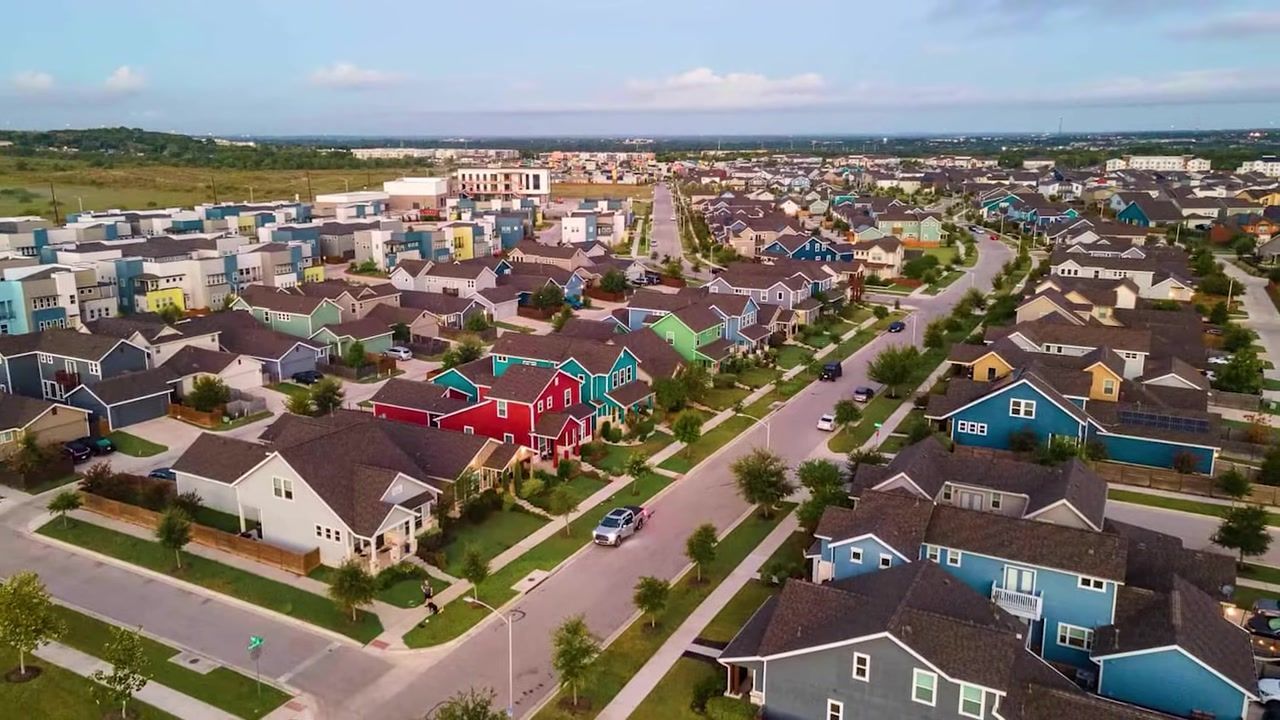
And then you got south, where I was born and raised, and I'm a little biased to the south side. But people either love or hate South Austin. And it's a lot more newer development. You've got Buda, Kyle, Dripping Springs (which is more west, not south), San Marcos, then you have New Braunfels. And these areas are really starting to develop, but they started to develop a lot later than the north. So there's a lot more new construction homes and growth and construction just overall when you move more south.
And you've got direct access to be almost right in the middle, depending on where you end up, in between San Antonio and Austin. So maybe you don't want to live in San Antonio, but you want to work in San Antonio. You could easily live in New Braunfels or San Marcos or even Kyle, and it would be somewhat of an easy commute to get you into San Antonio.
Choose the north if:
- You're working for Apple, Dell, or one of the tech headquarters up north
- You need to be close to medical facilities and hospitals
- You want a well-established suburb with lots of retail (Round Rock outlets, The Domain)
- You want that more commercialized, business-level feel
Choose the south if:
- You want newer development and more new construction options
- You're commuting to San Antonio or want to be between Austin and San Antonio
- You want that laid-back vibe with live music and outdoor bars and restaurants with playgrounds
- You want that river lifestyle and outdoor recreation
I would say South Austin to me is a little bit more laid back. North Austin, I think it's more commercialized. It's more business level. It's more, it reminds me a little bit like Dallas. It's just the tech world is up there. And Austin, it's just so much more laid back. It's got live music, it has lots of outdoor parks, it has a lot of outdoor bars and restaurants that you can bring your pups, you can bring your kids, and you can actually go to these bars. There's certain hours, but usually before dark, and they have playgrounds and they have all this stuff you can do with family. And there's just not that up north. I think they're starting to get a couple things here and there up north, but it's a huge difference between north and south.
So you need to know, are you going to be a northerner or are you going to be a Southie?
Conclusion
The question that actually really matters is what does a Tuesday look like? Not what does a Saturday look like when you're coming to visit for the weekend and you're maybe just seeing what all the fun looks like during the weekend. You need to really understand, if you're able to, obviously if you're relocating from somewhere far, not all my clients have the opportunity to drive the areas, but it's always good if you can to come drive all the different areas during the week. See what the traffic looks like. See what the commute looks like. See what that matters to you, what all that really looks like during the week.
What does it look like to go to the gym, go to H-E-B? Where are my local stores at? Where's the hospital that I need? How far do I work from here? These are all the things that really matter that some people just forget when they find a house, they fall in love with that house, but then they forget all the important stuff. Like, oh my God, I love this house so much. But then we go under contract and we're like, wait, hold on. What about the commute? Where do your kids live? Where do your friends live? Where are you actually planning on hanging out?
All of these things are just so important. And these are the things that we help you with. I help clients just like you make a huge move to the Austin, Texas area, whether it's Austin or Austin suburbs. I would love to help you dial this in. Call/text me at 512-557-9576 to discuss your options or book a FREE consultation call, whether it's 2 days or 2 years. Let's set up a plan for you to make sure that this is the smoothest move for you.
FAQ
What does $500,000 buy in Austin vs the suburbs?
In Austin, $500,000 gets you an older home from the '70s, '80s, or '90s, about 1,500 to 1,700 square feet, 3 bedrooms, 2 baths, and a small lot (0.1 to 0.2 acres). In the suburbs like Round Rock, Georgetown, or Leander to the north, or Kyle, Buda, San Marcos, or New Braunfels to the south, $500,000 gets you a 4 to 5 bedroom house, upwards of 3,000 square feet, and a bigger lot. You're getting more house for your money in the suburbs.
Are there good parks and outdoor access in the Austin suburbs?
Yes. Georgetown has parks, water sources, and Georgetown Lake for fishing and hiking. Round Rock and Leander have established parks. Buda is the outdoor capital of the world with tons of parks and a brand new park in development. Kyle has Memorial Park. San Marcos and New Braunfels have multiple rivers for floating, barbecue, and parks by the water. You're not losing outdoor access by moving to the suburbs.
How do schools compare between Austin and the suburbs?
Austin ISD has some local schools, but the top schools like Bowie in South Austin require homes around $800,000 or more. Westlake, just outside Austin, is the number one school in Texas. In the suburbs, Leander ISD, Georgetown (which feeds into Leander ISD), Comal ISD in New Braunfels, and some parts of Buda have A-rated schools. You can get A-rated schools for $500,000 to $600,000 with a huge house in the suburbs. Check niche.com or greatschools.org to research specific districts.
What's the difference between north and south Austin suburbs?
North suburbs like Round Rock, Cedar Park, Leander, Georgetown, Pflugerville, and Hutto are well-established with more employers (Apple, Dell, tech headquarters), medical facilities, hospitals, and retail (Round Rock outlets, The Domain). They're more commercialized and business-level. South suburbs like Buda, Kyle, San Marcos, and New Braunfels are newer development with more new construction, a laid-back vibe, live music, outdoor bars and restaurants with playgrounds, and river access. South is between Austin and San Antonio, so commuting to San Antonio is easier.
How bad is I-35 construction and what are the alternatives?
I-35 runs right through the middle of Austin and all the way through the suburbs from Round Rock down to New Braunfels. Construction on the south end of Austin (south of downtown) is ongoing until 2030 or 2033. Different suburbs also have ongoing construction, like Kyle where they're building an overpass to connect east to west. Alternative highways include Mopac, 183, 71, and 290, which serve different sections and suburbs. 183 towards Leander just finished a huge construction and is now 5 to 6 lanes.
Should I choose Austin or a suburb when relocating?
It depends on what matters most to you. If you need to be close to a job up north (Apple, Dell, tech), choose a north suburb like Round Rock, Georgetown, or Leander. If you're commuting to San Antonio or want newer construction and a laid-back vibe, choose a south suburb like Buda, San Marcos, or New Braunfels. If you want central location and don't mind older homes and smaller lots, choose Austin. Think about your Tuesday, not your Saturday, your commute, proximity to family and friends, schools, outdoor access, and hospitals matter most.
Steph Bartone
Austin native Steph Bartone helps clients buy, sell, and invest with local expertise, creative strategy, and personalized service rooted in trust, clear guidance, and a genuine love for her city.
Recent Posts