Houston vs Austin, TX: Which Texas City Fits Your Lifestyle?
You're standing in your Houston living room, scrolling through Austin listings, wondering if the move everyone keeps talking about is actually right for you. Or maybe you're researching Texas from out of state, trying to figure out which metro makes sense for the next chapter. Here's what I know after years of helping people relocate to Austin and watching friends make the reverse trip to Houston: this decision isn't about which city is objectively better. It's about which trade-offs you can live with and which ones will drive you crazy three years in.
Houston gives you more square footage for your dollar, a massive and diverse food scene, professional sports teams, world-class medical facilities, and two major airports. Austin and its suburbs like Buda, Kyle, Georgetown, Round Rock, and New Braunfels offer hill country access, a smaller metro feel, lower insurance costs, and an outdoor lifestyle built around lakes, rivers, and natural springs. The cheaper house doesn't always win if the commute eats your life, and the better weather doesn't matter if you can't get a direct flight home for the holidays.
I'm going to walk through housing prices, property taxes and insurance, traffic and commutes, weather, food and entertainment, outdoor recreation, and airport and healthcare access. I'll tell you where Houston wins, where Austin wins, and where it comes down to what you value most. This is about choosing the city that fits the life you're trying to build, not just the one with the better price tag.
Table of Contents
Housing Market and Home Prices
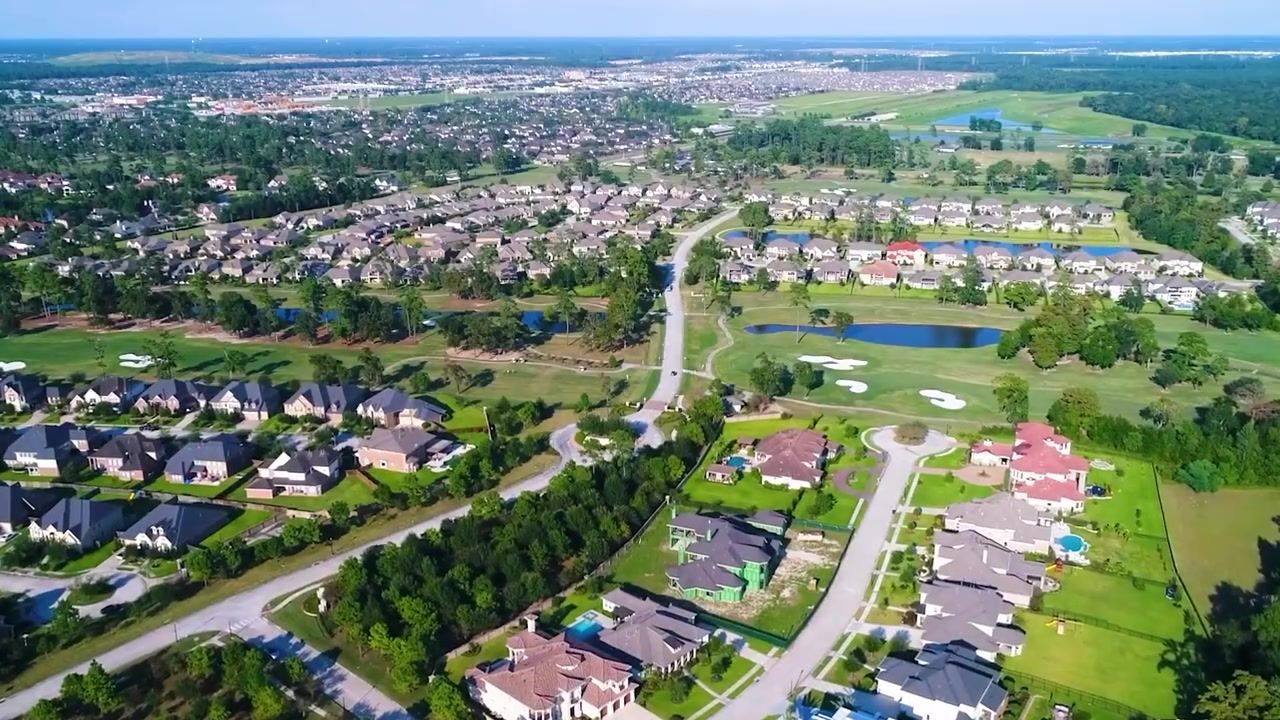
Houston wins on price per square foot, and it's not close. You get more house for your money in Houston than you do in Austin, especially when you compare similar commute distances and school access. The Houston metro is massive, which means you have more inventory to choose from and more neighborhoods at different price points. If maximizing square footage and getting a bigger yard matters to you, Houston delivers that without requiring you to stretch your budget or compromise on finishes.
Austin's housing market is tighter and more expensive, particularly inside the city limits and in the close-in suburbs. The trade-off is that you're buying into a smaller metro with hill country access and a different pace of life. Suburbs like Buda , Kyle , Georgetown , Round Rock , and New Braunfels offer more affordable options than central Austin, but you're still paying a premium compared to equivalent Houston suburbs. The question is whether that premium buys you something you actually want, or if you're just paying more for the same lifestyle you could get in Houston.
The housing conversation also depends on what you're coming from and what you're used to. If you're relocating from California or the Northeast, both Houston and Austin will feel like a deal. If you're moving from another part of Texas or the South, the price difference between the two metros becomes more noticeable. Houston's inventory advantage means you have more options to shop around and negotiate. Austin's tighter market means you might need to move faster when you find something that works.
Taxes and Home Insurance Differences
Property taxes in Texas are high across the board because there's no state income tax, but the way they hit your monthly payment varies between Houston and Austin. Both metros have similar property tax rates when you factor in school district, county, and municipal taxes. The difference shows up in how much home you're taxing. A $400,000 house in Houston might get you 2,500 square feet, while that same budget in Austin gets you closer to 1,800 square feet. You're paying similar tax rates, but the Houston buyer is taxing a bigger asset.
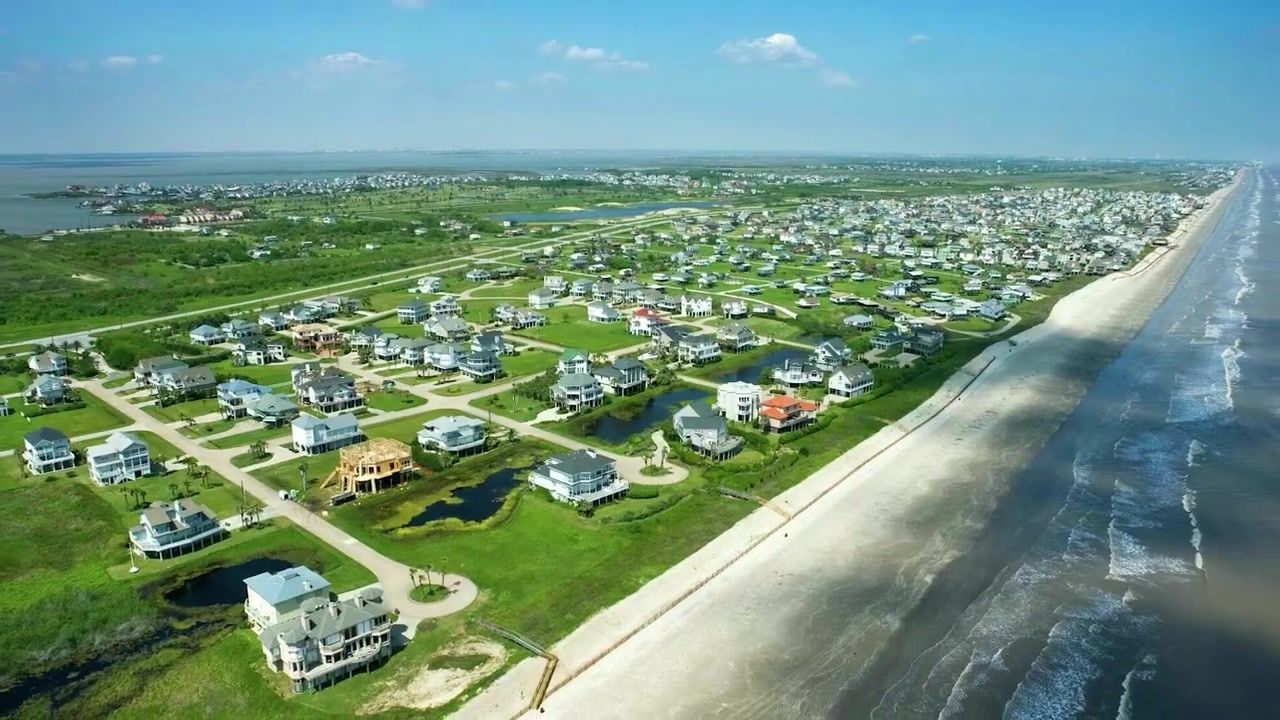
Homeowners insurance is where Houston takes a significant hit. Hurricane risk, flooding risk, and proximity to the Gulf Coast drive up insurance premiums in the Houston metro. You're looking at higher annual costs for windstorm and flood coverage, and some neighborhoods require separate flood insurance on top of your standard policy. That monthly insurance payment can add hundreds of dollars to your housing cost compared to Austin, and it's a cost that doesn't go away. You're paying it every year you own the home.
Austin's insurance costs are lower because you're farther from the coast and not dealing with the same hurricane and flooding risk. You still have weather to manage (hail, occasional flooding in low-lying areas), but the baseline insurance cost is more predictable and less expensive. When you're comparing total monthly payments between Houston and Austin, factor in that insurance difference. A cheaper Houston house might end up costing you nearly the same per month once you add in the higher insurance premium.
The tax and insurance conversation matters most when you're budgeting for the long term. A lower purchase price in Houston looks great until you run the numbers on what you'll actually pay monthly and annually. Austin's higher purchase price might come with lower insurance costs that offset some of that gap over time. Run the full monthly payment including insurance before you decide which market gives you better value.
Traffic, Commutes, and City Growth
Both cities have traffic, and both cities are growing fast. The difference is scale and layout. Houston is a sprawling metro with multiple employment centers, which means your commute depends heavily on where you live relative to where you work. If you're commuting into downtown Houston or the Energy Corridor or the Medical Center from the suburbs, you're looking at long drives and congested highways. Houston's freeway system is extensive, but it's also packed during rush hour.
Austin's traffic is bad relative to its size. The metro is smaller than Houston, but the infrastructure hasn't kept up with the population growth. You have fewer freeway options, and the main north-south corridor (I-35) is a bottleneck that affects commutes across the metro. If you're commuting into downtown Austin or the Domain area from suburbs like Georgetown or Buda , you're dealing with congestion that feels disproportionate to the distance you're traveling. Austin's layout funnels a lot of traffic through the same routes, which makes the commute feel worse than the mileage suggests.
The growth conversation is important because both metros are still expanding. Houston has been growing for decades and has more established infrastructure in place, even if that infrastructure is now overloaded. Austin is growing faster relative to its size, and the infrastructure is playing catch-up. That means more construction, more delays, and more uncertainty about what your commute will look like in five years. If you're choosing between the two cities, think about where you'll be working and how much time you're willing to spend in the car. A cheaper house farther out doesn't save you money if you're burning gas and hours every day.
Weather: Humidity, Heat, and Storm Risks
Houston is more humid, and that humidity is relentless. You're closer to the Gulf, which means the air feels heavier and the heat feels more oppressive, especially in summer. If you've never lived in high humidity, it's a different experience than dry heat. Your clothes stick to you, your hair does things you didn't know were possible, and being outside in July feels like walking through a wet blanket. Some people adjust to it, and some people never do.
Austin is hot, but it's less humid than Houston. You're farther inland and at a higher elevation, which makes the heat more tolerable for most people. Summer is still summer, and you're still dealing with triple-digit days, but the air doesn't feel as thick. If you're someone who struggles with humidity, Austin's climate will feel like an upgrade. If you don't mind humidity or you're used to it, the difference might not matter as much to you.
Storm risk is another weather factor that separates the two cities. Houston deals with hurricanes, tropical storms, and flooding. You're close enough to the coast that hurricane season is something you plan for, and flooding is a recurring issue in parts of the metro. Austin doesn't have hurricane risk, but you do have occasional severe weather, hail, and flash flooding in low-lying areas. The storm risk in Houston is more frequent and more severe, which ties back to the insurance conversation. You're paying for that risk every month.

Food, Entertainment, and Sports
Houston has a bigger and more diverse food scene, and it's not even a debate. You have access to incredible Vietnamese, Mexican, Indian, Chinese, and Nigerian food, plus high-end dining and everything in between. The food scene in Houston reflects the city's size and diversity, and if food is a big part of your life, Houston delivers options that Austin can't match. You also have professional sports teams (Texans, Rockets, Astros), which matters if you care about attending games and being part of that sports culture.
Austin's food scene is strong, but it's smaller and less diverse than Houston's. You have great barbecue, Tex-Mex, and a growing restaurant scene, but you don't have the same depth of international cuisine. Austin's entertainment and nightlife lean more toward live music, breweries, and outdoor venues. If you're into the live music scene and the cultural vibe that comes with it, Austin offers something Houston doesn't. But if you want access to a wider range of food and professional sports, Houston wins.
The entertainment conversation also depends on what you do for fun. Houston has more museums, more theater, more large-scale events. Austin has a smaller, more concentrated entertainment scene that revolves around music, outdoor bars, and festivals. Both cities have plenty to do, but the vibe is different. Houston feels like a big city with big-city amenities. Austin feels like a smaller city that's trying to hold onto its personality while it grows.
Outdoor Lifestyle and Recreation
Austin wins on outdoor lifestyle, and this is where the hill country access becomes a real differentiator. You have lakes, rivers, natural springs, and hiking trails within a short drive of the metro. Barton Springs , Lake Travis , Lake Austin , the Greenbelt , and the surrounding hill country give you year-round outdoor recreation options. If you're someone who wants to paddleboard on a Saturday morning, hike in the afternoon, and grab a beer at an outdoor venue in the evening, Austin's setup supports that lifestyle.
Houston has outdoor recreation, but it's not the same. You have parks, bayous, and access to the Gulf Coast beaches, but the terrain is flat and the outdoor culture is different. You're not surrounded by hills and natural springs. If you're into boating, fishing, and beach access, Houston gives you that. If you're into hill country hiking, river floating, and spring-fed swimming holes, Austin is the better fit.
The outdoor lifestyle question matters more to some people than others. If you're someone who spends every weekend outside and that's a core part of your identity, Austin's access to natural recreation is worth the higher housing cost. If you're more of a homebody or your hobbies don't revolve around outdoor activities, Houston's lower cost of living might make more sense. Don't pay a premium for a lifestyle you're not actually going to use.
Airports, Healthcare, and City Amenities
Houston has two major airports ( George Bush Intercontinental and Hobby ), which gives you more direct flight options, more airlines, and better connectivity for business and personal travel. If you travel frequently for work or you have family out of state, Houston's airport access is a significant advantage. Austin has Austin-Bergstrom International Airport , which is growing and adding routes, but it's still smaller and more limited than Houston's options. You'll find yourself connecting through Dallas or Houston for flights that would be direct out of Houston.
Healthcare is another area where Houston has a clear edge. The Texas Medical Center is one of the largest medical complexes in the world, and you have access to specialized care, research hospitals, and top-tier physicians. If you or someone in your family has complex medical needs, Houston's healthcare infrastructure is hard to beat. Austin has good hospitals and healthcare options, but it's not at the same level as Houston's Medical Center.
City amenities in general favor Houston because of its size. You have more shopping, more services, more specialty stores, and more options for anything you might need. Austin has those things too, but on a smaller scale. The trade-off is that Austin feels less overwhelming and more navigable. Houston can feel like too much city if you're not used to it. Austin can feel too small if you're coming from a larger metro and you're used to having everything at your fingertips.
Which City Fits Your Lifestyle?
Choosing between Houston and Austin comes down to which trade-offs you're willing to make and which factors matter most to your daily life. Here's how I think about it:
Choose Houston if:
- You want more house for your money and maximizing square footage is a priority.
- You value a diverse food scene, professional sports, and big-city amenities.
- You travel frequently and need strong airport connectivity.
- You or your family need access to specialized healthcare.
- You don't mind humidity and you're comfortable managing hurricane and flood risk.
Choose Austin (and its suburbs like Buda, Kyle, Georgetown, Round Rock, and New Braunfels) if:
- You want hill country access and an outdoor lifestyle built around lakes, rivers, and trails.
- You prefer a smaller metro feel with less sprawl and a more concentrated city center.
- You want lower homeowners insurance costs and less weather-related risk.
- You value live music, local culture, and a slower pace of life.
- You're willing to pay more for housing to get proximity to natural recreation.
Neither city is objectively better. Houston gives you more space, more amenities, and more options, but you're paying for it in insurance, humidity, and commute time. Austin gives you hill country access, a smaller metro feel, and an outdoor lifestyle, but you're paying more for housing and dealing with infrastructure that's still catching up to growth. The right choice is the one that aligns with how you actually live and what you need from a city.
Final Thoughts
I've seen people move from Houston to Austin expecting it to solve problems that had nothing to do with the city they were leaving. I've also seen people move to Houston from Austin and realize they gave up things they didn't know they valued until they were gone. The best relocations happen when you're honest about what you need and what you're willing to give up.
If you're relocating to Austin or considering the move from Houston, spend time in the suburbs you're thinking about. Drive the commute during rush hour. Visit on a summer weekend and see what the outdoor lifestyle actually looks like. Talk to people who made the move and ask them what surprised them. The decision gets easier when you stop comparing the cities on paper and start thinking about what your actual day-to-day will look like.
I help people relocate to the Austin suburbs and Central Texas, and the best moves happen when we map out your long-term housing and lifestyle goals before you start shopping. If you're ready to stop guessing and start planning, let's talk. Call/text me at 512-557-9576 to discuss your options or book a FREE consultation call. Let's figure out which Texas city actually fits your life!
FAQ: Houston vs Austin
Is Austin more expensive than Houston?
Yes, Austin's housing market is more expensive per square foot than Houston's. You'll pay more for a comparable home in Austin or its suburbs like Buda, Kyle, Georgetown, Round Rock, and New Braunfels than you would in Houston. However, Austin's lower homeowners insurance costs can offset some of that difference over time, especially when you factor in Houston's hurricane and flood risk premiums.
Which city has better weather, Houston or Austin?
Austin has less humidity and slightly more tolerable summer heat because it's farther inland and at a higher elevation. Houston is more humid year-round and deals with hurricane and tropical storm risk that Austin doesn't face. If you struggle with high humidity, Austin's climate will feel like an upgrade.
Does Houston or Austin have better job opportunities?
Houston has a larger and more diverse economy with strong industries in energy, healthcare, aerospace, and manufacturing. Austin's economy is growing rapidly with a focus on tech, startups, and corporate relocations. Both metros have strong job markets, but Houston offers more variety across industries while Austin is more concentrated in tech and knowledge work.
Which city is better for outdoor activities?
Austin wins on outdoor lifestyle with access to hill country, lakes, rivers, natural springs, and hiking trails. Houston has parks, bayous, and Gulf Coast beach access, but the terrain is flat and the outdoor culture is different. If outdoor recreation is central to your lifestyle, Austin's setup is hard to beat.
Is traffic worse in Houston or Austin?
Both cities have traffic, but the experience is different. Houston's traffic is worse in terms of volume and sprawl, but you have more freeway options. Austin's traffic feels worse relative to the city's size because the infrastructure hasn't kept up with growth, and I-35 is a major bottleneck. Your commute in either city depends heavily on where you live relative to where you work.
Which city has better schools?
Both metros have strong and weak districts depending on the specific area. Houston's size means you have more districts to choose from, while Austin's suburbs like Round Rock, Georgetown, and Dripping Springs have well-regarded options. Research the specific district you're considering and verify current information directly with the district before making a decision based on schools.
Steph Bartone
Austin native Steph Bartone helps clients buy, sell, and invest with local expertise, creative strategy, and personalized service rooted in trust, clear guidance, and a genuine love for her city.

Recent Posts