

Moving to Buda TX? What Buyers Need to Know First
Buda sits just south of Austin, close enough to feel the pull of the capital but far enough that you're trading urban density for space and a different pace. It's not Kyle, it's not Dripping Springs, and it's definitely not another Austin neighborhood with a different zip code. What surprises people moving here is how much variation exists inside one small city: two homes listed at the same price can carry wildly different tax bills, and choosing the wrong side of town can mean a completely different commute, school experience, and monthly budget.
I'm walking buyers through Buda almost every week, and the same five issues come up in nearly every conversation. Property taxes and MUD districts confuse people who assume a sticker price tells the whole story. The I-35 commute is a daily reality that changes how you use your time and plan your day. East Buda and West Buda feel like different markets entirely, and understanding that split matters more than most buyers realize. Hays CISD serves the area, but verifying current school information with the district is essential before you commit. And then there's cost of living, flood zones, utilities, shopping access, all the details that shape whether this place actually fits your life or just looks good on paper.
This is not a generic suburb tour. This is what you need to know before you start your Buda home search so you can avoid surprises and make a confident move.
Table of Contents
Property Tax Reality and MUD Districts
Two homes in Buda can have the same list price and completely different monthly payments, and the reason is almost always property taxes. Texas has no state income tax, so cities and districts fund services through property taxes instead. Buda sits in Hays County, and the tax rate here is higher than what you'll find in some neighboring areas. But the real wildcard is MUD districts, Municipal Utility Districts that were created to fund infrastructure in developing areas.
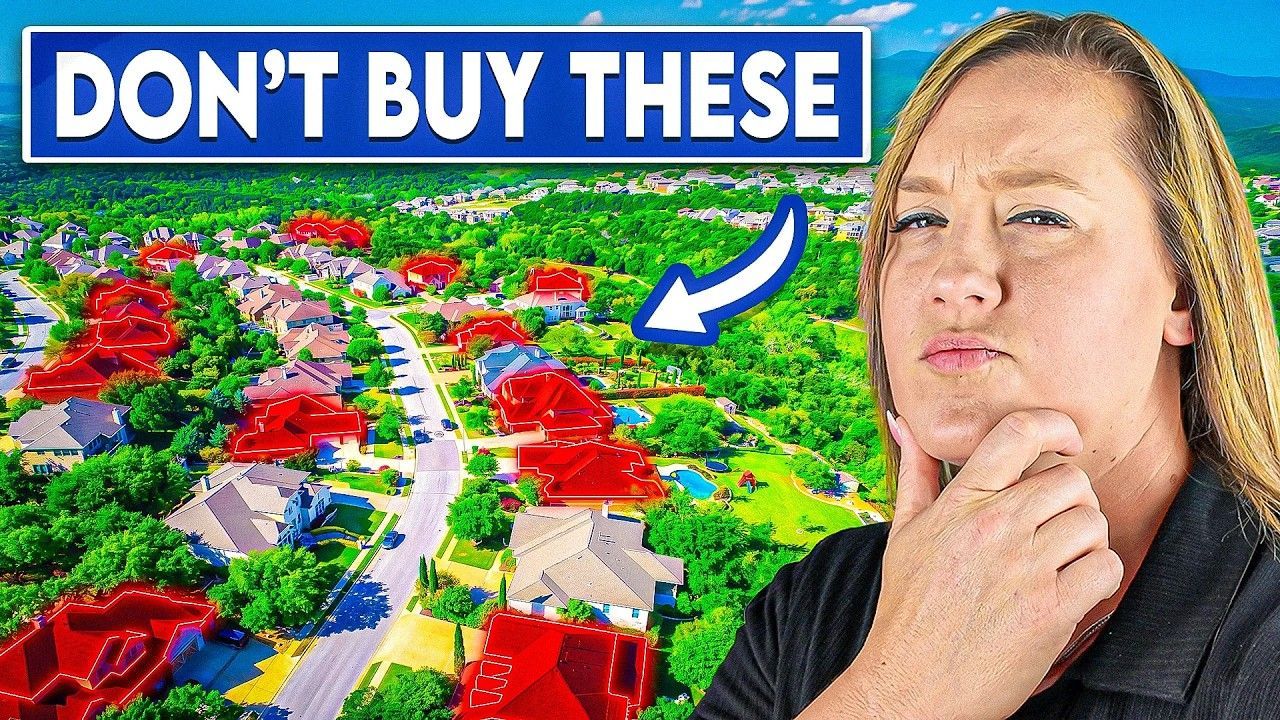
A MUD district adds an extra layer of taxation on top of your base property tax. When a neighborhood is built in an area that didn't have existing water, sewer, or drainage infrastructure, developers form a MUD to pay for those systems. Homeowners in that MUD pay an additional tax rate to retire the debt. Some MUDs add a small amount; others can push your effective tax rate significantly higher. The problem is that this information doesn't always show up clearly in listing details, and buyers don't realize the impact until they're reviewing closing documents.
Here's the thing: a home priced at $400,000 in a neighborhood without a MUD might have a lower monthly payment than a $375,000 home inside a MUD district, even if the mortgage rate is identical. I always tell buyers to ask about MUD taxes before they fall in love with a property. Your lender can estimate the total monthly payment once you know the MUD rate, but you have to ask the question first. Don't assume the listing agent or the online calculator is showing you the full picture.
This isn't a reason to avoid Buda. It's a reason to do the math before you make an offer. Some MUDs are nearly paid off and the rate is minimal. Others are newer and the rate is steep. Knowing which situation you're walking into changes how you evaluate value.
The I-35 Commute Reality
If you're moving to Buda and planning to commute into Austin for work, you need to be honest with yourself about I-35. This highway is the main north-south artery through Central Texas, and it's congested during peak hours. The drive from Buda to downtown Austin is about 20 miles, which sounds manageable until you factor in traffic. During morning and evening rush, that 20-mile trip can easily take 45 minutes to an hour, sometimes longer if there's an accident or construction.
I-35 is not a relaxing commute. It's stop-and-go, it's unpredictable, and it will eat into your day. Some buyers are fine with that trade-off because they're getting more house and more land for their money in Buda. Others realize after a few months that the commute is wearing them down and they wish they'd chosen something closer in. There's no right answer, but there is a wrong assumption: assuming you'll beat traffic or that it won't bother you. It will.
The commute affects more than just your drive time. It changes when you leave in the morning, when you get home at night, and how much flexibility you have during the day. If your job allows remote work a few days a week, the I-35 commute becomes more tolerable. If you're driving in five days a week, it's a different calculation. Some people also use the toll roads (SH 130 or the express lanes) to bypass the worst of I-35, but that adds cost. Factor that into your monthly budget if you're planning to use tolls regularly.
Buda works best for people who either work locally, work remotely, or have a commute that avoids peak I-35 hours. If you're locked into a traditional 9-to-5 in central Austin, just know what you're signing up for.
East Side vs. West Side: Why Location Inside Buda Matters
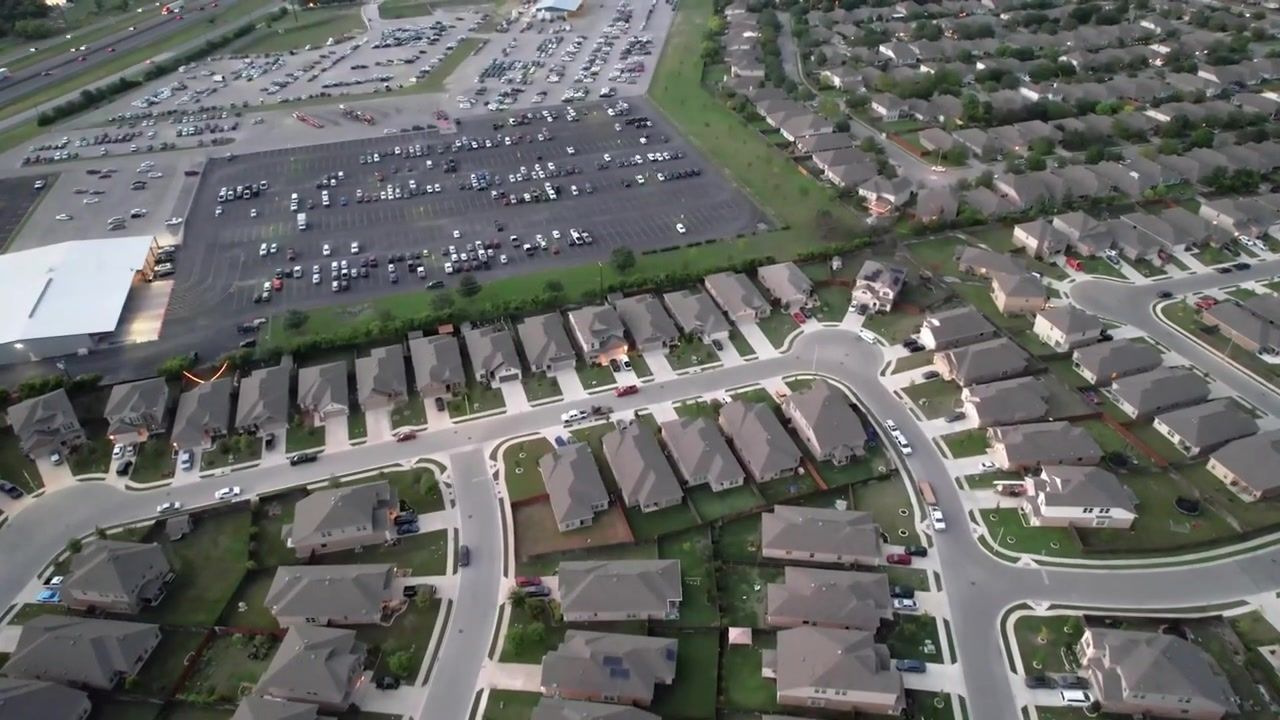
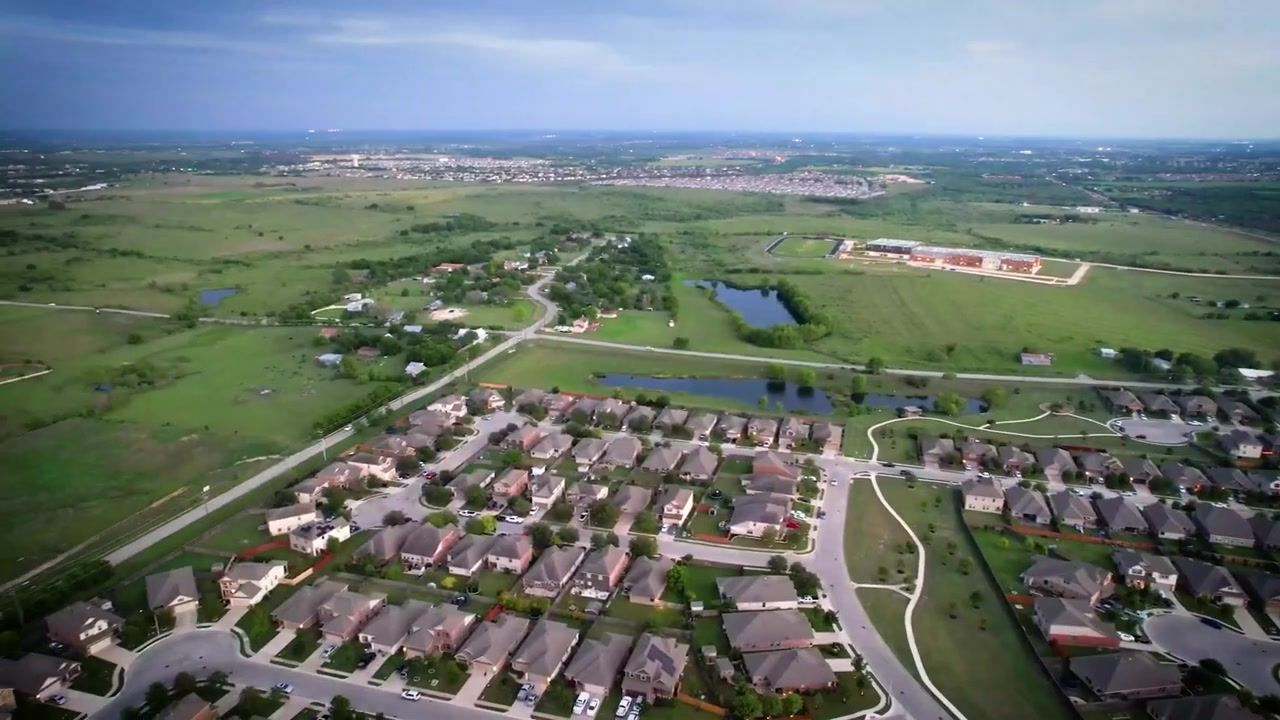
Buda is split by I-35, and East Buda and West Buda are not interchangeable. The east side tends to be more established, with older neighborhoods, more trees, and a mix of housing styles. The west side is where most of the new construction is happening, with master-planned communities, newer infrastructure, and larger lots in some areas. The lifestyle, the commute, and the access to amenities are different depending on which side you choose.
West Buda generally offers newer homes and more modern community amenities, pools, trails, parks built into the neighborhood design. It also tends to be where you'll find higher price points and more recent MUD districts. East Buda has more variety in age and style, and you'll often find better deals on older homes that need some updating. The east side also has quicker access to some local shopping and services because it's closer to the older commercial areas.
The side you choose also affects your commute. If you're heading north into Austin, starting from the west side means you have to cross over I-35 or navigate local roads to get to the highway, which can add time. The east side puts you closer to the main route, but you're still dealing with the same I-35 congestion once you're on it.
I see buyers fall in love with a home without considering which side of Buda it's on, and that's a mistake. The home might be perfect, but if the location doesn't match your daily routine and priorities, you'll feel it every day. Think about where you'll be driving most often, what kind of neighborhood vibe you want, and whether you value newer construction or more established streets.
Hays CISD Schools
Buda is served by Hays Consolidated Independent School District, which covers a large area including parts of Kyle and Buda. Hays CISD has multiple elementary, middle, and high schools, and the specific school your home is zoned for depends on the neighborhood. School zones can change, so if schools are a priority for your family, verify current zoning and school information directly with Hays CISD before you make an offer.
I don't rate schools or tell you which ones are better. What I do tell buyers is to research the specific campuses that serve the neighborhoods they're considering, visit if possible, and talk to the district about programs, capacity, and any planned boundary changes. A home that's zoned for one school today might be rezoned in a few years as the district grows, and that's something to ask about.
Schools matter to a lot of buyers, and they also matter for resale. Even if you don't have school-aged children, the perception of the school district affects how easy it will be to sell your home later. Hays CISD is a growing district, and growth brings both opportunities and challenges. Do your homework.
Cost of Living, Lifestyle, Flood Zones, and Shopping
Buda's cost of living is lower than Austin proper, mostly because of housing prices. You'll get more square footage and more land for your money here, but remember that property taxes and MUD districts can offset some of that savings. Utilities vary depending on whether you're in a MUD or served by the city, and some neighborhoods have higher water and sewer rates than others.
Flood zones are a real consideration in parts of Buda. The area has creeks and drainage issues in certain neighborhoods, and some homes are in FEMA flood zones that require flood insurance. Always check the flood map for any property you're serious about, and factor that insurance cost into your budget if it applies. Flood insurance isn't optional if you're in a high-risk zone and using a mortgage.
Shopping and amenities in Buda are growing but still limited compared to Austin. You'll find grocery stores, some chain restaurants, and local services, but for a wider selection you'll be driving into Kyle or north into Austin. That's part of the trade-off: you're not in the middle of everything, and running errands can take more time. Some people love the slower pace and the fact that Buda still feels like a smaller town. Others get frustrated by the lack of nearby options.
The lifestyle here is suburban, with a focus on space and affordability rather than walkability or urban conveniences. If you want a yard, a quieter street, and a lower price per square foot, Buda delivers. If you want to walk to coffee or have ten restaurant options within five minutes, you'll be disappointed.
Is Buda Worth It?
Buda works for buyers who prioritize space, affordability, and a suburban lifestyle, and who are willing to accept the trade-offs that come with it. The I-35 commute is real, the property tax and MUD situation requires careful math, and the east-versus-west decision affects your daily experience. But if you do the research, ask the right questions, and choose the right neighborhood for your situation, Buda offers solid value and a community that's still growing.
I'm not here to sell you on Buda or talk you out of it. I'm here to make sure you know what you're getting into so you can make a confident decision. The buyers who do well here are the ones who go in with their eyes open, who understand the numbers, and who've thought through how the location fits their actual life, not just the idea of it.
If you're serious about Buda, let's talk through your specific situation. I can show you the differences between neighborhoods, walk you through the tax and MUD details, and help you figure out which side of town makes sense for your commute and budget. This is not a one-size-fits-all market, and the details matter. Call/text me at 512-557-9576 to discuss your options or book a FREE consultation here.
FAQ
What are MUD districts and how do they affect my monthly payment in Buda?
MUD districts are Municipal Utility Districts that fund infrastructure like water, sewer, and drainage in developing areas. Homes in a MUD pay an additional tax rate on top of the base property tax, which increases your monthly payment. The MUD rate varies by neighborhood and can significantly affect affordability, so always ask about MUD taxes before making an offer.
How bad is the I-35 commute from Buda to Austin?
The drive is about 20 miles, but during peak hours it can take 45 minutes to over an hour. I-35 is heavily congested, and traffic is unpredictable. If you're commuting into Austin five days a week, factor that time and stress into your decision. Toll roads can help but add monthly cost.
What's the difference between East Buda and West Buda?
East Buda is more established with older neighborhoods and quicker access to some local amenities. West Buda has most of the new construction, master-planned communities, and newer infrastructure. The side you choose affects your commute, your home style options, and your daily convenience.
Are there flood zones in Buda I should worry about?
Yes, parts of Buda have flood zones due to creeks and drainage. Always check the FEMA flood map for any property you're considering. If the home is in a high-risk zone, you'll need flood insurance, which adds to your monthly cost.
Does Buda have good shopping and restaurants?
Buda has basic shopping, grocery stores, chain restaurants, and local services, but the selection is limited compared to Austin. For more variety, you'll drive into Kyle or north into Austin. It's a trade-off for the lower cost of living and more space.
How do I verify school information for Buda?
Buda is served by Hays CISD. School zones can change, so verify current zoning and school assignments directly with the district before making an offer. Visit campuses if schools are a priority, and ask about any planned boundary changes as the district grows.
Steph Bartone
Austin native Steph Bartone helps clients buy, sell, and invest with local expertise, creative strategy, and personalized service rooted in trust, clear guidance, and a genuine love for her city.