
Moving to San Marcos TX: What Homebuyers Need to Know
San Marcos sits at a crossroads that confuses a lot of relocating buyers. On one side of town, you have the energy and noise of Texas State University, student housing, late-night activity, and a rental-heavy vibe. On the other side, you have quiet Hill Country neighborhoods with mature trees, families on bikes, and homes that feel a world away from campus life. The difference isn't subtle, and choosing the wrong pocket can mean living in a place that doesn't match what you thought you were buying into.
I work with homebuyers relocating to the Austin suburbs who want more space without sacrificing quality of life. San Marcos offers something rare in this market: you can get 400 to 600 square feet more house than you'd find in New Braunfels or Kyle for the same price. But that value play comes with trade-offs you need to understand before you make an offer. The city straddles two school districts, two lifestyle zones, and a wide range of property tax rates depending on which side of town you land in.
In this piece, I'm walking you through the West Side versus East Side divide, the neighborhoods homebuyers are targeting in 2026, the school district boundary that catches buyers off guard, and what your day-to-day life actually looks like here. We'll also cover the commute reality on I-35, the spring-fed river that stays 68-72 degrees year-round, and the honest pros and cons of choosing San Marcos over the more expensive suburbs to the north. If you're trying to maximize square footage while staying connected to both Austin and San Antonio, this is the roadmap you need.
Table of Contents
- The East vs. West Side Divide for Homebuyers
- Best Neighborhoods: Trace, Blanco Vista, and La Cima
- Buying New Construction: The 5-Year Selling Strategy
- San Marcos CISD vs. Hays CISD: The School Zone Trap
- $500K House Comparison: San Marcos vs. Kyle TX
- The San Marcos River and Hill Country Lifestyle
- Honest Review: Food, Shopping, and Local Culture
- The REAL Commute to Austin and San Antonio (I-35 Reality)
- Pros and Cons: Why Homebuyers Love San Marcos in 2026
- Finding Your Perfect Neighborhood Pocket
The East vs. West Side Divide for homebuyers
The single most important decision you'll make in San Marcos is which side of town you buy on. The East Side is heavily influenced by Texas State University. You'll find student housing, rental properties, and a transient population that creates a different energy than what most relocating homebuyers are looking for. It's louder, younger, and the housing stock reflects that rental demand. If you're trying to create a stable neighborhood where your kids can ride bikes and you know your neighbors, the East Side isn't going to deliver that experience.
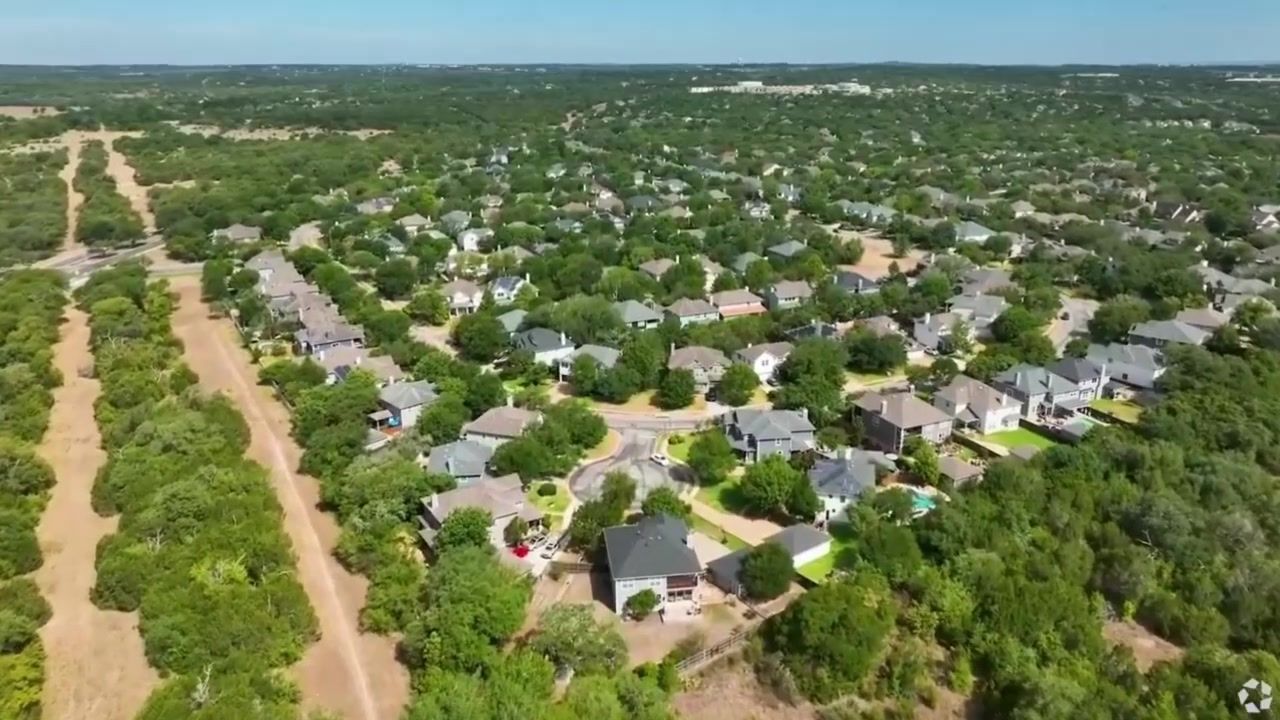
The West Side is where homebuyers land. It's quieter, more established, and the neighborhoods here are designed for long-term homeownership rather than short-term leases. You'll see mature trees, larger lots, and a Hill Country feel that separates San Marcos from the more suburban-looking developments in Kyle or Buda. The West Side also puts you closer to the parts of San Marcos that feel like a small town, local parks, the river, and the pockets of shopping and dining that aren't dominated by college traffic. This divide isn't just about noise or student density. It's about resale value, school access, and the kind of community you're plugging into for the next five to ten years.
Best Neighborhoods: Trace, Blanco Vista, and La Cima
When homebuyers ask me where to focus their search, three neighborhoods come up consistently: Trace , Blanco Vista , and La Cima . Each one offers something different depending on what you prioritize.
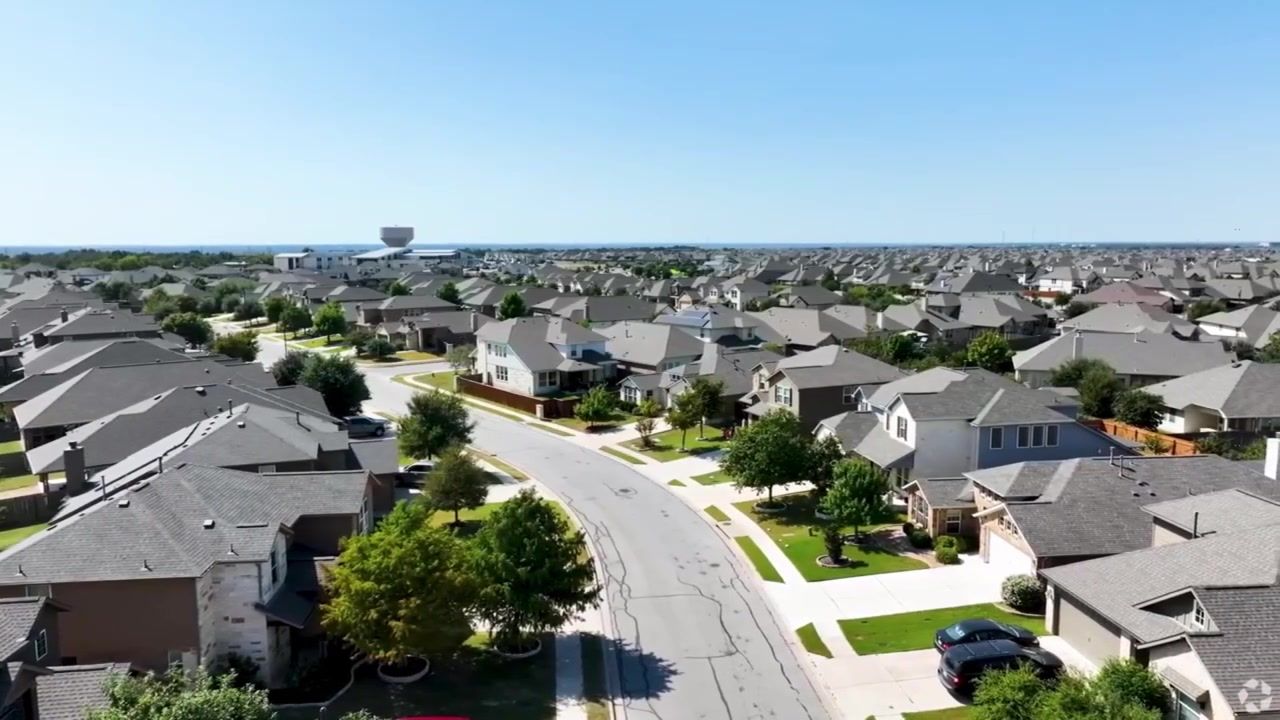
Trace is a master-planned community with amenities that appeal to buyers who want a resort-style neighborhood experience. You'll find pools, trails, and programming that keeps kids busy without leaving the subdivision. It's newer construction, so you're getting modern floor plans and energy efficiency, but you're also paying for those amenities through higher HOA fees and property taxes. Trace works well for buyers who want a turnkey lifestyle and don't mind the premium that comes with it.
Blanco Vista is more established. The trees are mature, the lots are larger, and the neighborhood has a settled feel that newer developments can't replicate. You're not getting the same level of community amenities, but you're also not paying for them. Blanco Vista appeals to buyers who want space, privacy, and a neighborhood that feels like it's been there for a while. The homes here are a mix of ages and styles, so you'll need to be selective about condition and updates, but the value per square foot is strong.
La Cima offers elevated views and a Hill Country aesthetic that feels more premium than the flatter parts of San Marcos. The lots here take advantage of the topography, and you'll get long sightlines that make the property feel larger than it is. La Cima sits in a sweet spot between the master-planned amenities of Trace and the established character of Blanco Vista. It's a neighborhood that attracts buyers who want a bit of both, newer construction with a more organic, less cookie-cutter feel.
Buying New Construction: The 5-Year Selling Strategy
If you're buying new construction in San Marcos, you need to think about your exit strategy before you close. New builds in this market come with MUD or PID assessments that can push your effective property tax rate to 3%. That's significantly higher than the 1.6% you'll find in older, established neighborhoods. Those assessments are financing the infrastructure, roads, water, sewer, drainage, that the city hasn't built out yet. Over time, those fees roll off, but in the first five years, they're a real cost that affects your monthly payment and your resale appeal.
Here's the thing: if you try to sell a new construction home in San Marcos within the first five years, you're competing with the builder who's still actively selling in your neighborhood. They're offering incentives, rate buy-downs, and upgrades that you can't match as a resale seller. Your buyer is going to compare your home to the brand-new one down the street, and unless you're priced aggressively or the builder is sold out, you're at a disadvantage. That's why I tell clients to plan on staying at least five years if they're buying new. By then, the builder is gone, the neighborhood is established, and you're not fighting that uphill battle.
If you need flexibility or think you might relocate again in three years, consider buying a resale home in Blanco Vista or another established neighborhood. You'll avoid the MUD/PID hit, and you won't be competing with a builder when it's time to sell.
San Marcos CISD vs. Hays CISD: The School Zone Trap
San Marcos straddles two school districts, and a lot of relocating homebuyers don't realize this until they're already under contract. San Marcos CISD serves the older, more central parts of the city, while Hays CISD serves the newer developments on the outskirts, particularly to the west and north. The district your home feeds into will affect resale value, buyer demand, and your kids' school experience, so this isn't a detail you can ignore.
Hays CISD is generally perceived as the stronger district, and homes that feed into Hays schools tend to hold value better and attract more buyer interest. That perception matters, even if the individual schools in San Marcos CISD are solid. Buyers make decisions based on district reputation, and Hays CISD has the edge in this market. If schools are a priority for you, verify the attendance zone before you make an offer. Don't assume that a West Side address automatically means Hays CISD, boundaries are drawn in ways that don't always follow intuitive geographic lines.
I always tell clients to check current zoning with the district directly. Builders and listing agents can give you outdated or incorrect information, and school zones do change as new schools open or boundaries are redrawn. This is one of those details that's easy to verify upfront and painful to discover after closing.
$500K House Comparison: San Marcos vs. Kyle TX
One of the biggest draws to San Marcos is the square footage you get for your money. A $500,000 budget in San Marcos will typically buy you a home that's 400 to 600 square feet larger than what you'd find in Kyle or New Braunfels at the same price point. That's a significant difference, especially for buyers who need four bedrooms, a home office, and space to spread out.
In Kyle, $500,000 gets you a solid home in a good neighborhood, but you're paying a premium for proximity to Austin and the perception of being in a more established suburb. In San Marcos, that same budget buys you more house, a larger lot, and often better finishes because builders are competing on value rather than location prestige. The trade-off is the commute, San Marcos is farther south, and I-35 is a factor we'll cover in a minute, but for remote workers and homebuyers that extra space can be worth the distance.
The cost-of-living advantage extends beyond the purchase price. Property taxes in the older parts of San Marcos run around 1.6%, which is lower than what you'll pay in newer Kyle developments. Utilities, groceries, and day-to-day expenses are comparable, but the housing cost is where San Marcos pulls ahead. If maximizing square footage is your top priority and you're willing to trade a longer commute for more space, San Marcos is one of the best value plays in the Austin metro right now.
The San Marcos River and Hill Country Lifestyle
The San Marcos River is one of the defining features of this city, and it's something you won't find in Kyle, Buda, or most of the other suburbs north of here. The river is spring-fed, which means it stays between 68 and 72 degrees year-round. In the summer, that's a huge draw, families float, swim, and paddleboard without dealing with the algae blooms or temperature swings you get in reservoirs. The river creates a lifestyle amenity that's rare in this part of Texas, and it's one of the reasons people choose San Marcos over other suburbs that might be closer to Austin.
Beyond the river, San Marcos sits in the Hill Country, which gives the area a different topography and aesthetic than the flatter suburbs to the east. You'll see more elevation changes, more trees, and more of that classic Texas Hill Country look that buyers relocating from out of state are often chasing. It's not as dramatic as Dripping Springs or Wimberley, but it's enough to make San Marcos feel distinct from the cookie-cutter developments in Round Rock or Pflugerville.
The outdoor lifestyle here is real. You have access to hiking, biking, and water activities without driving an hour. For buyers who want that balance between suburban convenience and outdoor recreation, San Marcos delivers in a way that the more urban suburbs don't.
Honest Review: Food, Shopping, and Local Culture
San Marcos has a local culture that's shaped by the university, but it's not entirely defined by it. You'll find a mix of college-town energy, coffee shops, casual dining, live music, and the quieter, more residential businesses that serve the residential neighborhoods on the West Side. The food scene is decent but not destination-level. You have your chain restaurants, a handful of local spots, and the usual fast-casual options. If you're coming from a city with a robust food culture, San Marcos will feel limited, but it's improving as the population grows.
Shopping is functional but not extensive. You have a Walmart, Target, H-E-B, and the standard big-box stores, but for anything beyond that, you're driving to Austin or San Antonio. The outlet mall brings in some retail variety, but it's tourist-focused and not something most locals use regularly. If you're someone who needs access to specialty grocery stores, boutique shopping, or a wide range of dining options, San Marcos will feel small. If you're fine with the basics and don't mind driving for the rest, it's not a dealbreaker.
The local culture is more laid-back than Austin but not as sleepy as some of the smaller Hill Country towns. You'll find farmers markets, community events, and a genuine small-town feel in certain pockets, but you're also aware that you're in a college town. That duality is part of what makes San Marcos interesting, but it's also why some homebuyers struggle to connect with the city if they land in the wrong neighborhood.
The REAL Commute to Austin and San Antonio (I-35 Reality)
Let's talk about I-35, because this is where a lot of buyers underestimate the trade-off they're making. San Marcos sits almost exactly between Austin and San Antonio, which sounds ideal on paper. In practice, I-35 is one of the most congested highways in Texas, and your commute time will vary wildly depending on when you're driving and which direction you're headed.
If you're commuting to downtown Austin during rush hour, you're looking at 45 minutes to an hour on a good day, and longer if there's an accident or construction. The same applies to San Antonio. If you're a remote worker or your schedule allows you to avoid peak traffic, the commute is manageable. If you're locked into a 9-to-5 in either city, it's going to wear on you. I've had clients who thought they could handle the drive and ended up regretting it within six months.
The other factor is that I-35 is under constant construction. TxDOT is widening sections, adding lanes, and trying to improve flow, but that work takes years, and in the meantime, you're dealing with lane closures, detours, and slowdowns. It's not a deal-killer if you're prepared for it, but it's something you need to factor into your decision. San Marcos works best for buyers who aren't commuting daily or who have flexibility in their schedule.
Pros and Cons: Why homebuyers Love San Marcos in 2026
San Marcos offers a compelling value proposition, but it's not the right fit for everyone. Here's what I tell clients when they're weighing this city against other Austin suburbs.
Pros:
- You get significantly more square footage for your money compared to Kyle, New Braunfels, or Buda.
- The West Side neighborhoods offer a quiet, residential environment with Hill Country character.
- The San Marcos River is a year-round amenity that's rare in this part of Texas.
- Property taxes in older neighborhoods are lower than in newer developments farther north.
- You're positioned between Austin and San Antonio, which works well for homebuyers with ties to both cities.
Cons:
- The I-35 commute to Austin or San Antonio is long and unpredictable during peak hours.
- The East Side is dominated by student housing and doesn't offer the residential vibe most relocating buyers want.
- Food, shopping, and entertainment options are limited compared to larger suburbs.
- New construction comes with high MUD/PID assessments that push effective tax rates to 3%.
- The school district divide between San Marcos CISD and Hays CISD creates confusion and affects resale value.
If you're a remote worker, a homebuyer looking to maximize space, or someone who values outdoor recreation and doesn't need urban amenities, San Marcos is worth serious consideration. If you're commuting daily or you need access to a wider range of shopping and dining, you'll probably be happier in Kyle or Buda.
Finding Your Perfect Neighborhood Pocket
San Marcos rewards buyers who do their homework. The difference between the right pocket and the wrong one is significant, and it's not always obvious from a map or a listing description. You need to visit the neighborhoods, drive the commute at the time you'd actually be doing it, and verify school zones before you make an offer.
I work with buyers who are relocating to the Austin suburbs and need to understand these trade-offs before they commit. We map out your long-term goals, your budget, and your lifestyle priorities, and then we find the neighborhood that fits. San Marcos is a strong option for the right buyer, but it's not a one-size-fits-all solution. If you want to walk through your options and figure out whether San Marcos makes sense for you, let's talk. I'm here to make sure you land in the right place, not just the first place that checks a few boxes.

FAQ
Is San Marcos TX a good place for homebuyers in 2026?
San Marcos can be an excellent choice for homebuyers, but location within the city matters. The West Side offers quiet, residential neighborhoods with mature trees and a Hill Country feel, while the East Side is more influenced by Texas State University and student housing. buyers who prioritize space, value, and outdoor recreation tend to do well here, especially if they're not commuting to Austin daily.
What's the difference between San Marcos CISD and Hays CISD?
San Marcos straddles two school districts. San Marcos CISD serves the older, central parts of the city, while Hays CISD serves newer developments, particularly on the west and north sides. Hays CISD is generally perceived as the stronger district, and homes in Hays zones tend to hold value better. Always verify which district a home feeds into before making an offer, as boundaries don't always follow intuitive geographic lines.
How much house can you get for $500K in San Marcos compared to Kyle?
In San Marcos, a $500,000 budget typically buys you a home that's 400 to 600 square feet larger than what you'd find in Kyle at the same price. You're trading proximity to Austin for more space, lower property taxes in older neighborhoods, and a Hill Country lifestyle. For remote workers or homebuyers with flexible schedules, that trade-off often makes sense.
What are the property tax rates in San Marcos TX?
Property tax rates in San Marcos vary depending on the neighborhood. Older, established areas typically see rates around 1.6%, while new construction developments with MUD or PID assessments can push effective rates to 3%. Those higher rates finance infrastructure that hasn't been built out yet, and the assessments eventually roll off, but they're a real cost in the first several years of ownership.
How bad is the commute from San Marcos to Austin?
The commute from San Marcos to downtown Austin is 45 minutes to an hour during rush hour on I-35, and longer if there's an accident or construction. The highway is heavily congested and under constant construction, so travel times are unpredictable. San Marcos works best for remote workers or buyers with flexible schedules who can avoid peak traffic. If you're locked into a daily 9-to-5 commute, the drive will be challenging.
What makes the San Marcos River special?
The San Marcos River is spring-fed, which means it stays between 68 and 72 degrees year-round. It's a major draw for buyers who want access to swimming, floating, and paddleboarding without dealing with the temperature swings or algae blooms common in reservoirs. The river creates a lifestyle amenity that's rare in the Austin metro and is one of the reasons buyers choose San Marcos over other suburbs.
Steph Bartone
Austin native Steph Bartone helps clients buy, sell, and invest with local expertise, creative strategy, and personalized service rooted in trust, clear guidance, and a genuine love for her city.

Recent Posts