Kyle vs New Braunfels: Which Austin-Area City Fits Your Goals in 2026?
The drive down I-35 between Austin and San Antonio used to feel like open highway. Now it's a corridor of cranes, fresh concrete, and buyers betting half a million dollars on which exit to take. Kyle and New Braunfels sit on opposite ends of this growth story, and the difference isn't just miles. One city is still being built, raw land turning into subdivisions faster than the school district can keep up. The other has decades of roots, a river culture, and the kind of established rhythm you either love or find sleepy.
I work with a lot of buyers relocating to Texas, and the question I hear most often is whether to go north toward Kyle or south toward New Braunfels. Both cities are pulling buyers in the $500,000 to $800,000 range who want a 4-bedroom home in a master-planned community. Both promise appreciation as the Austin-San Antonio corridor continues to explode. But the day-to-day experience of living in these places is not the same, and neither is the fine print on your property tax bill.
If you're trying to decide between a blank slate and a city that already knows what it is, this comparison will walk you through commute reality, school district trade-offs, lifestyle differences, and the hidden costs that can turn a $600,000 home into a financial surprise. Let's look at what each city actually offers in 2026 and beyond.
Table of Contents
- The $500K-$800K New Construction Reality
- The Commute Test: Kyle to Austin in Morning Traffic
- Hays CISD vs Comal ISD School Comparison
- Kyle's Best Master-Planned Communities
- New Braunfels Lifestyle: Rivers and History
- Hidden Property Taxes: MUDs and PIDs
- Which City Actually Fits Your Goals?
- Conclusion
The $500K-$800K New Construction Reality
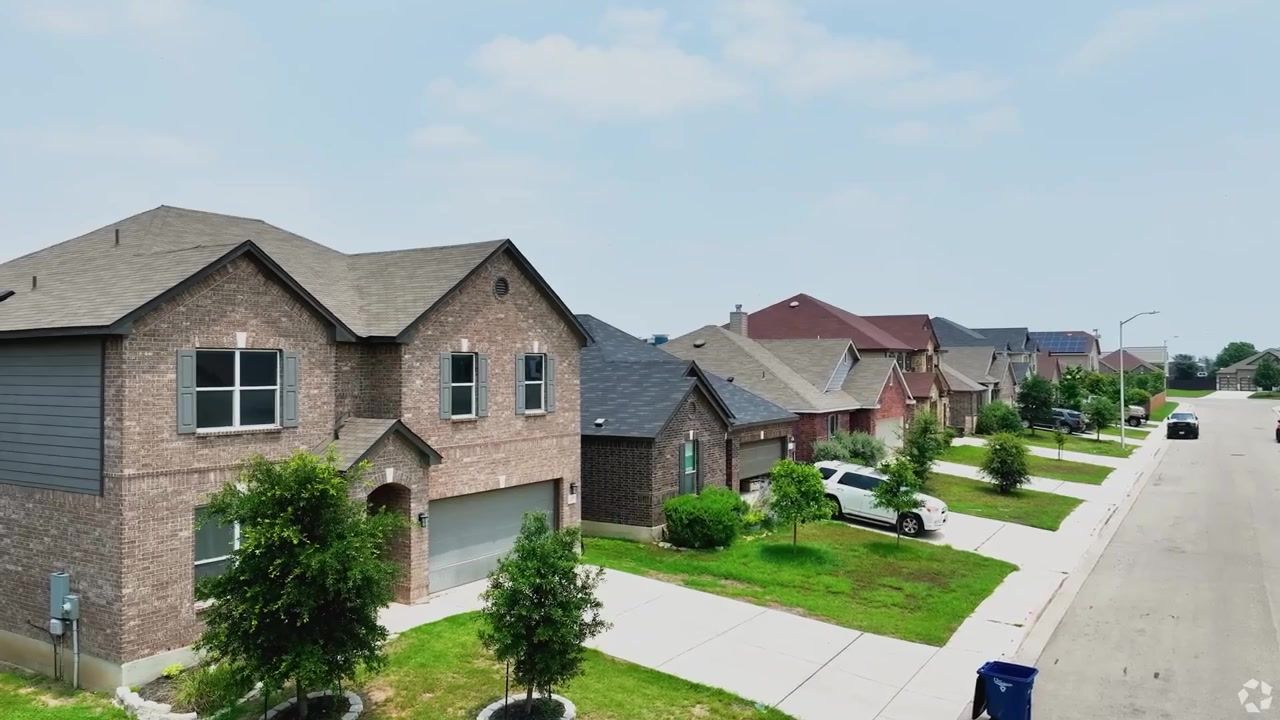
The price point most buyers are working with right now, $500,000 to $800,000, buys you a 4-bedroom home in a master-planned community in both cities. But what that home looks like and what comes with it depends entirely on which direction you drive.
In Kyle, you're looking at newer construction, often still under warranty, in communities that are actively being built out. The homes tend to be modern, the floor plans open, and the amenities shiny. You're buying into a growth story, which means the neighborhood around you is still taking shape. Some streets are finished, others are dirt. The elementary school might be brand new, or it might be opening next year.
In New Braunfels, that same budget gets you into an established community with mature trees, finished infrastructure, and a city that's been here long enough to have a personality. The homes might be a few years older, but the trade-off is that you know what you're getting. The parks are open, the schools are running, and the restaurants downtown aren't still under construction.
The appreciation potential exists in both markets, but the risk profile is different. Kyle is betting on continued growth and infrastructure catching up. New Braunfels is betting on stability and the long-term draw of an established lifestyle. Your comfort with uncertainty will tell you which bet makes more sense.
The Commute Test: Kyle to Austin in Morning Traffic
The commute from Kyle to Austin in morning traffic is a major factor, and it's not getting easier. I-35 is currently under construction for the Capital Express South project, with overnight lane closures that bleed into the morning rush more often than TxDOT admits. What used to be a 30-minute drive from Kyle to downtown Austin is now closer to 50 minutes on a good day, and over an hour when there's an accident or weather.
Kyle sits about 20 miles south of Austin, which sounds manageable until you factor in the bottleneck at Slaughter Lane and the fact that every other new resident is also trying to get north at 7:30 a.m. If you're commuting into Austin for work, you need to be honest about whether you're willing to spend 90 minutes to two hours in the car every day. Some buyers think they'll adjust. Most don't.
New Braunfels is farther, about 45 miles from Austin, but the commute conversation is different because most people buying there aren't planning to drive to Austin daily. If your job is in San Antonio, New Braunfels makes more sense. If you're remote or semi-retired, the distance stops mattering as much. The city functions independently, so you're not constantly driving north for errands, entertainment, or dinner.
The Austin-San Antonio corridor growth in 2026 is reaching record levels, and that means traffic is only going to get worse before the infrastructure catches up. If your work requires you to be in Austin multiple days a week, Kyle is the more realistic choice. If you can live your life without that commute, New Braunfels offers a different kind of freedom.
Hays CISD vs Comal ISD School Comparison
For buyers relocating to Texas, the school district comparison is often the deciding factor for long-term resale value. Comal ISD in New Braunfels continues to rank as one of the stronger districts in the region with stable enrollment. The district has a reputation for consistency, and that stability translates into buyer confidence when it's time to sell.
Hays CISD, which serves Kyle, is rapidly building new campuses to keep up with the influx of new residents. The district is growing fast, which means new schools, new teachers, and a lot of moving parts. Some buyers see that as a positive, brand-new facilities, modern programming, a district that's investing heavily in growth. Others worry about the growing pains that come with that kind of expansion.
Both districts serve their communities well, but the experience is different. Comal ISD feels established. Hays CISD feels like it's still figuring itself out as it scales. If you want predictability and a district that's been doing this for decades, Comal ISD has the edge. If you're comfortable with a district that's evolving quickly and you like the idea of being part of that growth, Hays CISD offers opportunity.
I always tell buyers to verify current information directly with the district, because boundaries, programs, and campus assignments can shift as these areas continue to grow. What's true today might not be true in two years, especially in Kyle.
Kyle's Best Master-Planned Communities
Kyle's growth is concentrated in a handful of master-planned communities that are driving the city's identity. Six Creeks, Plum Creek, and Water Stone are the names you'll hear most often, and each offers a slightly different version of the Kyle lifestyle.
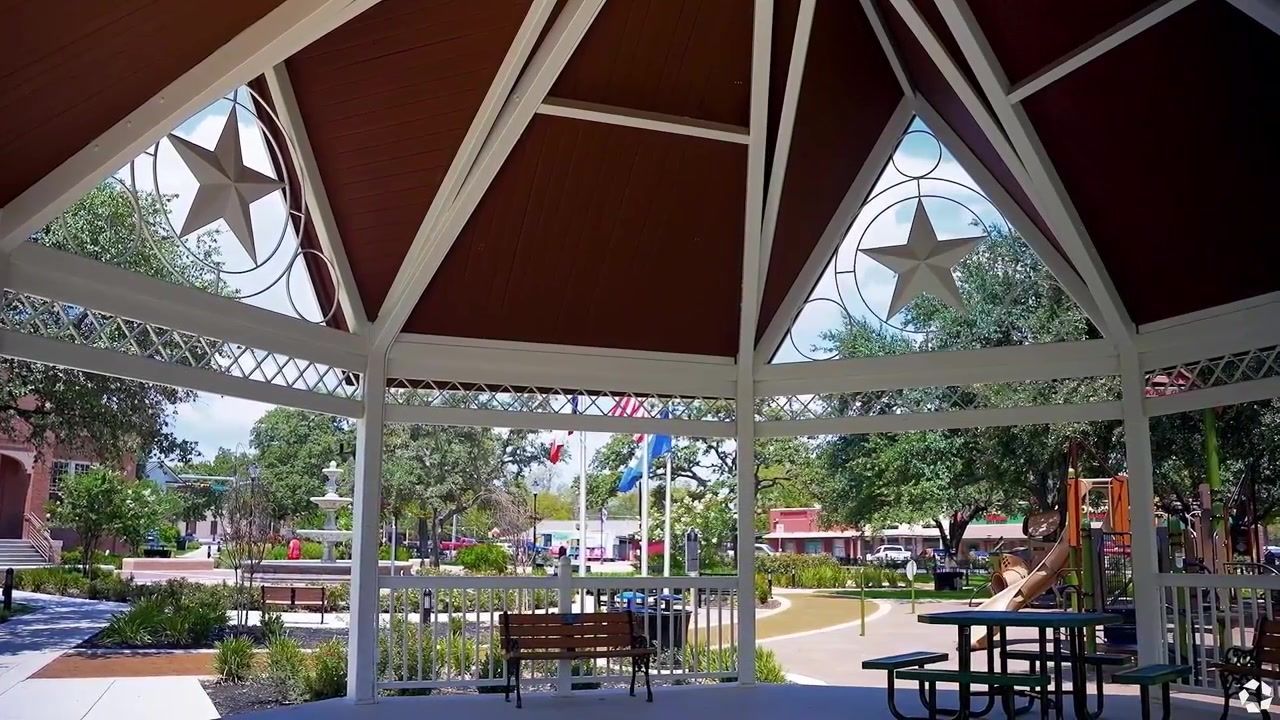
Six Creeks is one of the newer developments, with modern amenities, resort-style pools, and a focus on walkability within the community. The homes are fresh, the HOA is active, and the vibe is suburban in the best sense, residents out on bikes, busy parks, neighbors who actually know each other.
Plum Creek is more established by Kyle standards, which means the trees are a bit taller and the infrastructure is fully built out. It's a larger community with more variety in home styles and price points, and it has the kind of amenities, golf course, trails, multiple pools, that make it feel like a destination rather than just a subdivision.
Water Stone is newer and still building out, so you're buying into the early phase of a community that's going to look very different in five years. That can be exciting if you want to be part of shaping the culture, but it also means construction noise, unfinished sections, and the uncertainty that comes with a work-in-progress.
All three communities offer the modern, suburban growth story that Kyle is built on. You're getting new construction, strong HOAs, and a lifestyle that's designed around amenities and convenience. The trade-off is that you're living in a city that's still figuring out its identity as it grows.
New Braunfels Lifestyle: Rivers and History
New Braunfels offers an established lifestyle that Kyle simply can't match yet. The tubing culture of the Comal and Guadalupe Rivers is a huge draw, especially for buyers who want water access without driving to the coast. Schlitterbahn is here, Gruene Hall is here, and the downtown has the kind of historic charm that takes decades to build.
The river culture is real. Weekends in the summer mean floating the Comal, grilling at a riverside park, or walking through Gruene to hear live music. It's a lifestyle that feels rooted in place, and that's either exactly what you want or it's not. Some buyers love the idea of a city with character and history. Others find it limiting, especially if they're used to the constant newness of a growing suburb.
New Braunfels also functions as its own city in a way that Kyle doesn't quite yet. You don't need to drive to Austin or San Antonio for shopping, dining, or entertainment. The city has its own economy, its own culture, and its own rhythm. That independence is a huge selling point for retirees or remote workers who don't want to feel tethered to a larger metro.
The trade-off is that New Braunfels doesn't have the same blank-slate appeal as Kyle. The city is what it is, and if you're looking for something brand new or ultra-modern, you'll have fewer options here. But if you want a place that already knows itself, New Braunfels delivers.
Hidden Property Taxes: MUDs and PIDs
Before you fall in love with a specific home in Kyle, you need to understand the hidden costs of new construction, specifically MUD and PID taxes. These are Municipal Utility Districts and Public Improvement Districts, and they can push your effective tax rate noticeably higher than a basic search suggests.
MUDs and PIDs are how developers finance the infrastructure in new communities, roads, water, sewer, parks. The cost gets passed on to homeowners through an additional tax layer that can add thousands of dollars to your annual bill. A home listed at $600,000 might look affordable based on the base tax rate, but once you factor in MUD and PID taxes, your monthly payment jumps in a way that changes the math.
New Braunfels has some MUD districts as well, but the city is more established, so you're less likely to encounter the same sticker shock. Many of the older neighborhoods have already paid off their infrastructure bonds, which means lower taxes long-term.
I always tell buyers to ask for the full tax breakdown before making an offer. Don't rely on the estimate in the listing. Get the actual MUD and PID rates, and run the numbers with your lender. The difference between what you think you'll pay and what you'll actually pay can be significant, and it's not something you want to discover after closing.
Which City Actually Fits Your Goals?
Kyle and New Braunfels are both strong markets in the Austin-San Antonio corridor, but they serve different buyers.
Choose Kyle if you want new construction, you're commuting to Austin regularly, and you're comfortable living in a city that's still being built. The master-planned communities offer modern amenities, and the growth story is compelling if you believe the infrastructure will catch up. Just be prepared for MUD taxes, construction noise, and a longer timeline before the city feels fully established.
Choose New Braunfels if you want an established lifestyle, you're not commuting to Austin daily, and you value history and river culture over brand-new everything. The schools are stable, the city functions independently, and the property taxes are more predictable. The trade-off is that you're not getting the same blank-slate appeal or ultra-modern floor plans.
Both cities offer appreciation potential, but the day-to-day experience is not the same. Your decision should be based on how you actually want to live, not just where you think the market is headed.
Conclusion
The choice between Kyle and New Braunfels comes down to whether you want to be part of a city that's still being written or one that already has its story. Both markets are strong, both offer solid options in the $500,000 to $800,000 range, and both are benefiting from the explosive growth along the I-35 corridor. But the lifestyle, the commute, the schools, and the hidden costs are different enough that you need to be clear on your priorities before you start touring homes.
If you're ready to stop guessing and start planning your move to the Austin suburbs, let's talk. I work with buyers navigating this exact decision every week, and I can help you map out which city actually fits your long-term goals. Call/text me at 512-557-9576 or book a FREE consultation call and we'll walk through your commute, your budget, and the trade-offs that matter most to you.
FAQ
Is Kyle or New Braunfels closer to Austin?
Kyle is closer to Austin at about 20 miles south, while New Braunfels sits about 45 miles away. The commute from Kyle to Austin in morning traffic currently takes 50 minutes to over an hour due to I-35 construction, while New Braunfels is farther but most buyers there aren't planning to commute to Austin daily.
What are MUD and PID taxes in Kyle?
MUD and PID taxes are additional property tax layers in new construction communities that fund infrastructure like roads, water, and parks. These can push your effective tax rate noticeably higher than the base rate suggests, adding thousands of dollars annually to your tax bill in communities like Six Creeks, Plum Creek, and Water Stone.
Which school district is better, Hays CISD or Comal ISD?
Comal ISD in New Braunfels ranks as one of the stronger districts in the region with stable enrollment and an established reputation. Hays CISD in Kyle is rapidly building new campuses to keep up with growth, offering modern facilities but also experiencing growing pains. Verify current information directly with each district, as boundaries and programs can shift.
What master-planned communities are in Kyle?
Kyle's main master-planned communities include Six Creeks, Plum Creek, and Water Stone. Six Creeks is newer with resort-style amenities, Plum Creek is more established with a golf course and trails, and Water Stone is still building out with sections under active construction.
What is the lifestyle like in New Braunfels?
New Braunfels offers an established lifestyle centered around the Comal and Guadalupe Rivers, with tubing culture, Schlitterbahn, and historic Gruene Hall. The city functions independently with its own shopping, dining, and entertainment, and has decades of history and character that Kyle doesn't yet have.
Are Kyle and New Braunfels good for appreciation?
Both Kyle and New Braunfels are currently among the best cities between Austin and San Antonio for appreciation due to the Austin-San Antonio corridor growth reaching record levels in 2026. Kyle offers a growth story with new construction, while New Braunfels provides stability with an established city and predictable infrastructure.
Steph Bartone
Austin native Steph Bartone helps clients buy, sell, and invest with local expertise, creative strategy, and personalized service rooted in trust, clear guidance, and a genuine love for her city.

Recent Posts